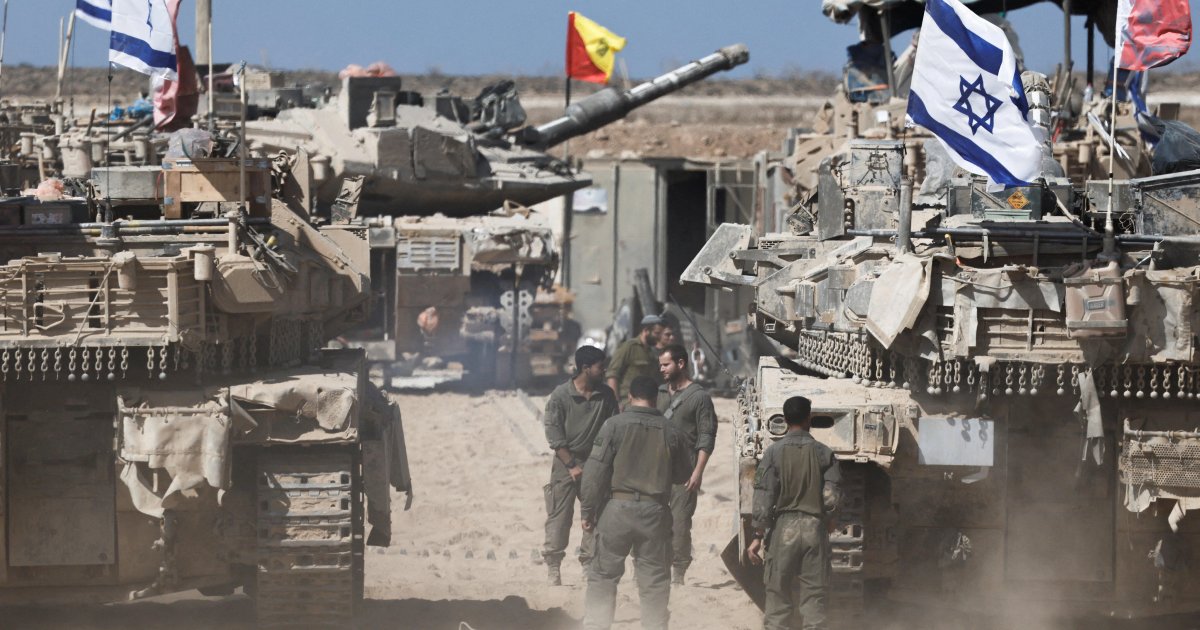
The concerns are mounting regarding the implications of the ceasefire reached early Wednesday between the United States and Israel, as the situation in the Middle East remains complex. Despite ongoing efforts, the Iranian regime persists, and a solution to the issue of 440 kilograms of enriched uranium has yet to be found, while the Iranian missile program continues to operate partially.
All eyes are now on the Lebanese front, where tensions remain high. This situation raises questions about the effectiveness of the ceasefire and whether it will achieve its intended goals. While the United States aims to reduce tensions, the ground realities do not reflect that effort.
Event Details
Under the current circumstances, both the United States and Israel find themselves in a strategic impasse. The United States announced the ceasefire as part of its efforts to calm the situation, but the results so far are not encouraging. Iran still retains its nuclear capabilities, raising concerns within the international community.
Reports indicate that Iran's missile program remains active, reflecting the ineffectiveness of diplomatic efforts. Additionally, the Lebanese front remains open, further complicating the security landscape in the region.
Background & Context
Historically, the relationship between the United States and Israel has been pivotal in shaping the political landscape of the Middle East. However, new challenges emerging from Iran and the Lebanese front may reshape these relations. For years, Iran has sought to enhance its nuclear capabilities, leading to heightened tensions with the West.
In recent years, the region has witnessed numerous armed conflicts, making it difficult to achieve peace and stability. The current ceasefire may represent a step towards calming the situation, but it raises questions about its sustainability.
Impact & Consequences
If the situation continues as it is, the consequences could be severe. The ongoing Iranian nuclear program may lead to an arms race in the region, exacerbating tensions. Furthermore, the Lebanese front could see an escalation in military operations, threatening regional security.
The United States and Israel need to reassess their strategies under these circumstances. The new challenges require an effective response; otherwise, the situation may spiral into further complexity.
Regional Significance
For Arab countries, the tense situation in the Middle East poses a significant challenge. The ongoing tensions between Iran and Israel could impact the security and stability of neighboring nations. Any escalation may lead to an influx of refugees and increased sectarian tensions.
Thus, Arab nations need to enhance cooperation among themselves to confront these challenges. Clear strategies must be established to address the changing circumstances, ensuring security and stability in the region.
In conclusion, the question remains open as to whether the current ceasefire will have a positive impact on the situation in the Middle East. Challenges persist, and diplomatic efforts require substantial support to achieve sustainable peace.