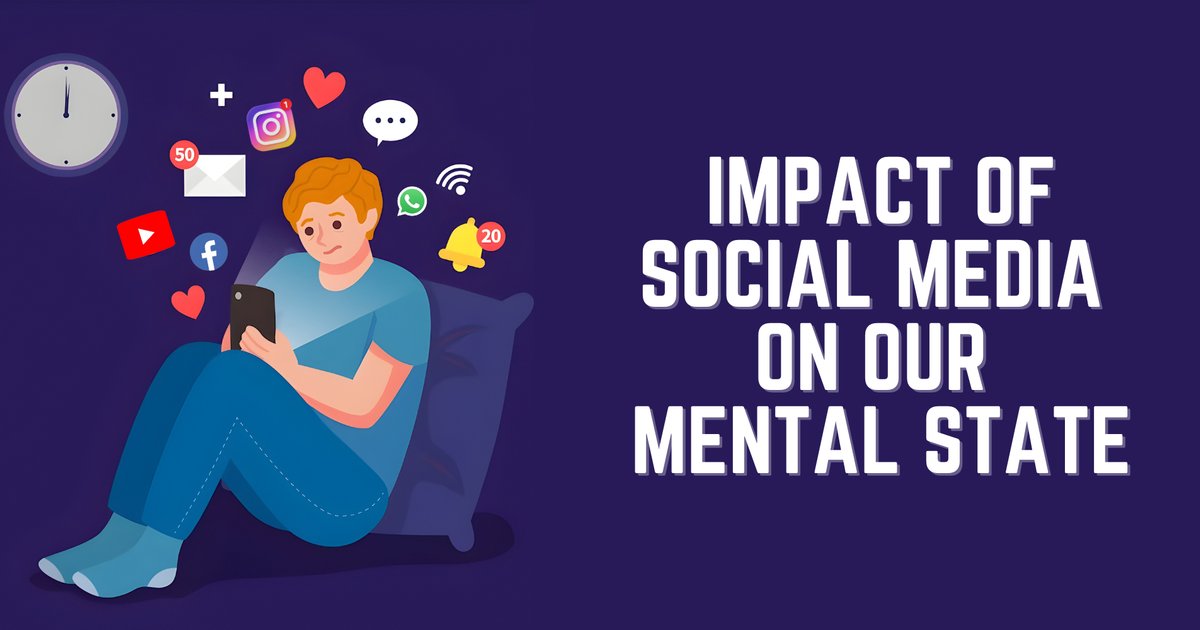
Recent studies indicate that notifications from social media applications may negatively impact users' focus and mental energy. Research has shown that these constantly flowing notifications can lead to distraction and increased stress levels.
In the age of modern technology, communication through social networks has become an integral part of our daily lives. However, the challenges arising from this phenomenon require us to rethink how we engage with these platforms.
Event Details
A study conducted by researchers at Harvard University found that users who receive frequent notifications from applications like Facebook and Twitter report increased levels of anxiety and stress. The researchers noted that these notifications lead to distraction, affecting the ability to concentrate on daily tasks.
Another study showed that users who turn off notifications experience an improvement in their mood and mental energy. These findings prompt a reconsideration of how to better manage these notifications to achieve a healthy balance between digital life and real life.
Background & Context
The increase in smartphone usage and social media applications in recent years has led to a rise in the number of notifications users receive. According to reports, the average person spends over 3 hours daily on social media, increasing their exposure to these notifications.
At the same time, research indicates that excessive use of these platforms can lead to mental health issues such as depression and anxiety. Therefore, understanding the impact of these notifications on mental health has become essential.
Impact & Consequences
The repercussions of this phenomenon extend beyond individuals to affect communities as a whole. Increased levels of anxiety and stress can lead to decreased productivity at work and in studies, negatively impacting overall performance. Additionally, this phenomenon may lead to a deterioration of social relationships, as individuals become more preoccupied with digital interactions rather than personal ones.
Moreover, this phenomenon may increase psychological pressure on individuals, necessitating that governments and educational institutions take steps to promote awareness about healthy technology use.
Regional Significance
In the Arab region, where the use of social media has significantly increased, there is an urgent need to understand the impact of these notifications on youth and society as a whole. Studies indicate that young people are the most affected by this phenomenon, calling for the development of strategies for awareness and education regarding responsible technology use.
Arab governments can also play an important role in promoting mental health by supporting initiatives aimed at reducing the pressures resulting from excessive technology use.
In conclusion, we must be aware of the impact of social media notifications on our daily lives. It is essential to adopt effective strategies to deal with this phenomenon to ensure better mental health for individuals and communities.