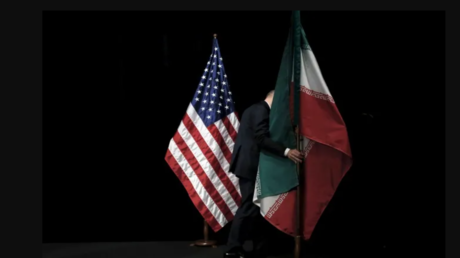
The Iranian Foreign Ministry issued an official statement on Monday, confirming that it is exchanging messages with international mediators as part of its efforts to stop the ongoing war. The ministry pointed out that the proposed American plan is illogical, reflecting Tehran's steadfast position against international pressures.
As Iran continues its diplomatic efforts, the ministry clarified that it is in the process of drafting a set of demands that it hopes will be part of any future agreement. These developments come at a sensitive time, with increasing concerns about the escalation of the conflict and its impact on regional stability.
Details of the Current Situation
Through these messages, Iran aims to clarify its position regarding the current circumstances, asserting that any plan that does not consider its national interests will not be acceptable. Informed sources have confirmed that Tehran is working to define its priorities for the upcoming negotiations, focusing on key issues that affect its security and stability.
These steps are being taken amid rising tensions in the region, with growing fears of new conflicts erupting. Tehran believes that dialogue is the best way to resolve disputes, despite the significant challenges it faces in this context.
Background & Context
Historically, Iran has experienced numerous political and military crises, prompting it to adopt an active diplomatic policy in recent years. Tehran has played a pivotal role in various regional conflicts, leading it to develop multiple strategies for communication with different parties.
In recent years, international pressures on Iran have intensified due to its nuclear program and regional policies. Nevertheless, Tehran continues to assert its right to defend its interests, making it a key player in any future negotiations.
Impact & Consequences
These developments could lead to a shift in regional dynamics, as Iran seeks to strengthen its position in negotiations. If Tehran succeeds in achieving its demands, it may improve relations with some Western countries, potentially contributing to a de-escalation of tensions in the region.
On the other hand, Iran may face new challenges if American pressures persist. Therefore, any progress in dialogue could have profound implications for regional stability, reflecting the parties' desire to reach peaceful solutions.
Regional Significance
The developments in Iran are of great importance to Arab countries, as they could affect security and stability in the region. If Tehran makes progress in negotiations, it may lead to a shift in regional alliances, impacting relations between Arab states and Iran.
Furthermore, any agreement reached could help alleviate tensions in areas such as Yemen and Syria, where Iran plays a significant role. Consequently, Arab nations are closely monitoring these developments, amid concerns about their impact on regional security.
In conclusion, the future of Iranian relations with mediators and other countries remains unclear, but what is certain is that dialogue is the only way to achieve peace and stability in the region.