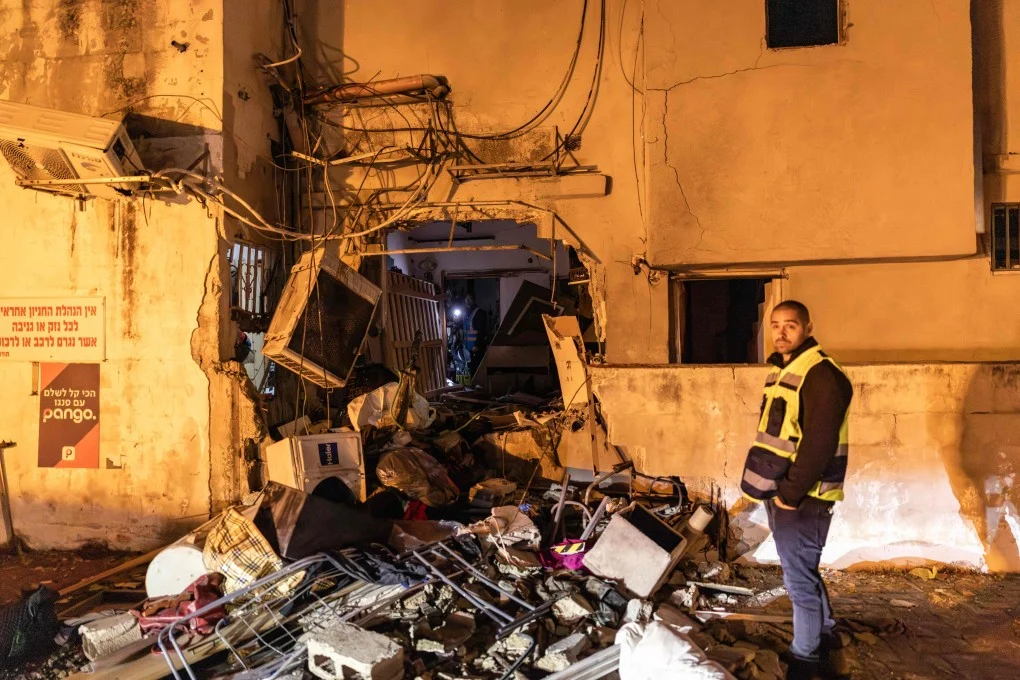
U.S. Special Envoy Steve Witkoff has indicated that Iran may engage in talks with Washington this week as the conflict between the U.S. and Israel against Tehran enters its second month. The war began on February 28 following U.S.-Israeli airstrikes that resulted in the death of Supreme Leader Ali Khamenei, causing global shock.
One month into the conflict, military operations continue, with U.S.-Israeli strikes targeting two Iranian nuclear facilities, complicating the situation in the region and reflecting an unprecedented escalation in relations between Tehran and Washington.
Details of the Event
The airstrikes carried out by the U.S. and Israel against Iran represent a significant shift in U.S. policy towards Tehran, as relations between the two countries have been severely strained since the U.S. withdrawal from the Iranian nuclear deal in 2018. Khamenei's death provoked strong reactions from Iranian officials, who vowed to retaliate.
Witkoff's statements come at a critical time as the international community seeks diplomatic solutions to the escalating conflict. The U.S. envoy noted that there are indications Iran may be willing to enter talks, which could open the door to a potential agreement that eases tensions.
Background & Context
Historically, relations between Iran and the United States have been tense, witnessing numerous crises since the Iranian Revolution in 1979. With rising tensions in recent years, Iran has become a focal point for international attention due to its nuclear program and support for armed groups in the region. These factors have contributed to increased pressure on Tehran, prompting it to seek a way out of the current crisis.
At the same time, the military and economic pressures facing Iran reflect the impact of U.S. sanctions imposed on it, which have led to a deteriorating economic situation in the country. These conditions may push Iran to reconsider its strategy towards the United States.
Impact & Consequences
If talks between Iran and Washington take place, they could have significant implications for regional security. Such discussions might lead to a de-escalation of tensions, contributing to stability in the region. However, any potential agreement may face strong opposition from certain parties, including Israel and Gulf states, which fear Iran's growing influence in the region.
Moreover, the outcomes of these talks could affect relations between the United States and its allies in the region, as all parties seek to achieve their own interests amid changing circumstances.
Regional Significance
The current events in Iran have a direct impact on Arab countries, as Iran represents a key player in many regional conflicts. Any escalation in the conflict could exacerbate situations in countries like Iraq, Syria, and Lebanon, where Iran-backed militias are present.
At the same time, Arab nations may seek to strengthen their alliances with the United States to counter Iranian threats, potentially leading to changes in regional alliances.
In conclusion, the situation in Iran remains a focal point for the world, as attention turns to the potential talks between Tehran and Washington, which could determine the future of relations between the two countries and impact regional security overall.