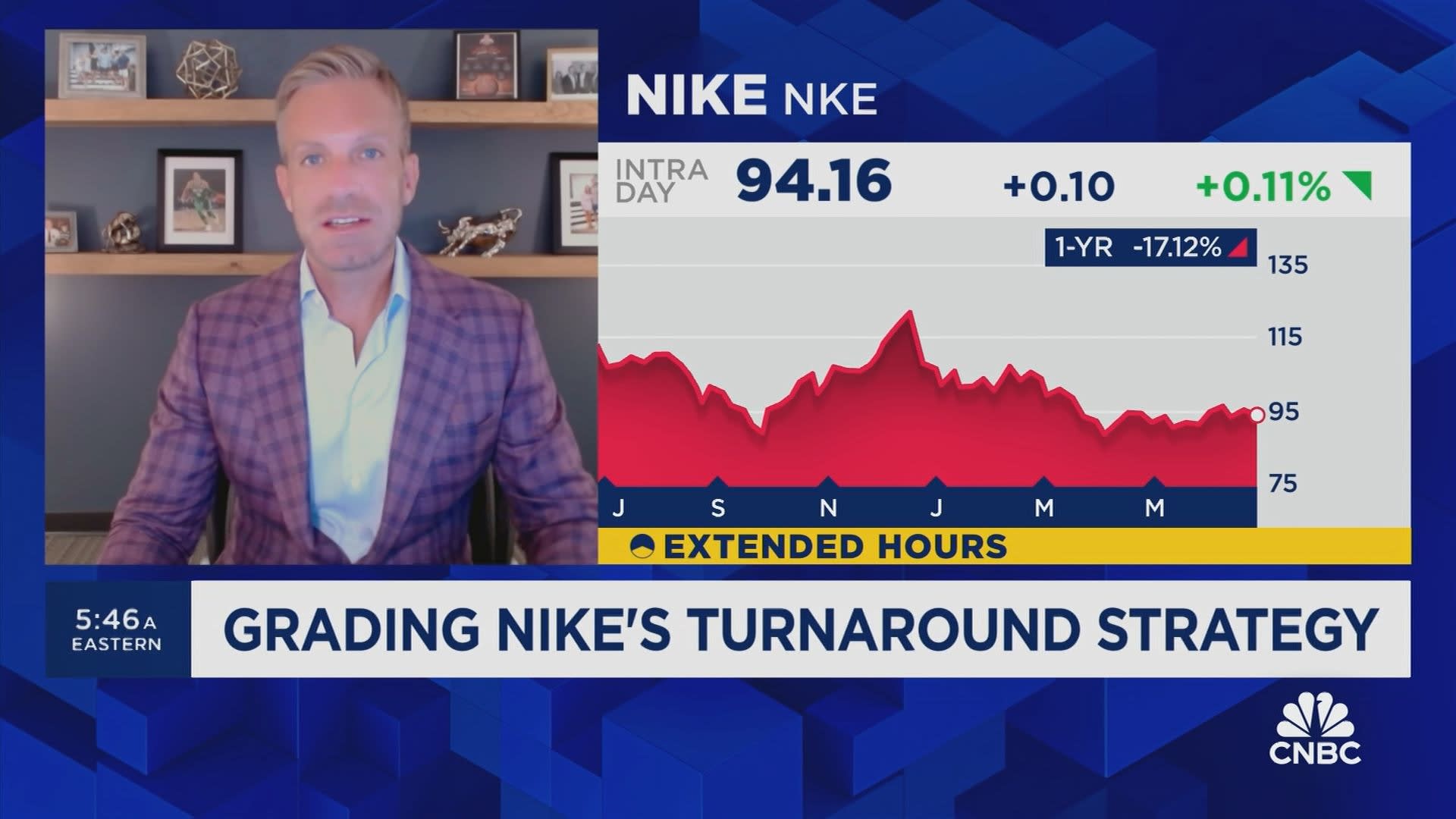
Nike, the giant in the sports footwear industry, is preparing to announce its financial results for the second quarter of the year, amidst expectations of a sharp decline in profits and stagnant sales. This comes as the company continues its efforts to restructure its operations under the leadership of CEO Elliott Hill, who took over the position a year and a half ago.
Despite Nike achieving a 9% increase in sales in North America, this positive news represents only a small part of the overall picture, as the company has witnessed a significant 17% drop in revenues in the Chinese market, raising concerns among investors about the company’s ability to fully recover.
Details of the Event
Nike is expected to announce its financial results during a conference call with analysts, where investors will be looking for any updates regarding the current restructuring plan and forecasts for the upcoming financial quarter. Although Nike has made gains in North America, there are questions about the sustainability of this increase, especially given challenges related to tariffs and relationships with key partners.
The holiday season is one of the busiest periods for Nike's sales, and investors hope the company will continue to deliver positive results. However, global economic challenges, including trade wars and inflationary pressures, may negatively impact consumer spending.
Background & Context
Nike faces significant challenges amid changing global economic conditions. The trade war between the United States and China has led to increased costs, affecting profit margins. Additionally, the ongoing conflict in the Middle East may lead to rising gas prices, negatively impacting consumers' ability to spend on non-essential goods such as clothing and footwear.
Historically, Nike has been one of the leading companies in the sports apparel industry, but changes in consumer behavior and increased competition from companies like Adidas and Puma have intensified pressure on the company. Therefore, the restructuring led by Hill aims to improve efficiency and enhance competitiveness.
Impact & Consequences
Nike's results are significant not only for investors but also for the sports apparel industry as a whole. If Nike continues to face challenges, it could affect investor confidence in the market overall. Any decline in Nike's sales could have negative repercussions on supplier and distributor companies.
On the other hand, Nike may benefit from major sporting events such as the Winter Olympics and the World Cup, which are expected to boost demand for its products. However, the benefits may not be as substantial as those achieved by competing companies.
Regional Significance
Given the current economic conditions, Nike's results may impact the Arab market, where the brand is considered one of the leading names in sports apparel. If pressures on Nike persist, it could lead to negative effects on product prices in Arab markets, potentially prompting consumers to reduce spending.
In conclusion, Nike remains in a precarious position that requires it to take bold steps to ensure its sustainability in the global market. Investors are looking for positive results, but economic challenges may make achieving that difficult in the near future.