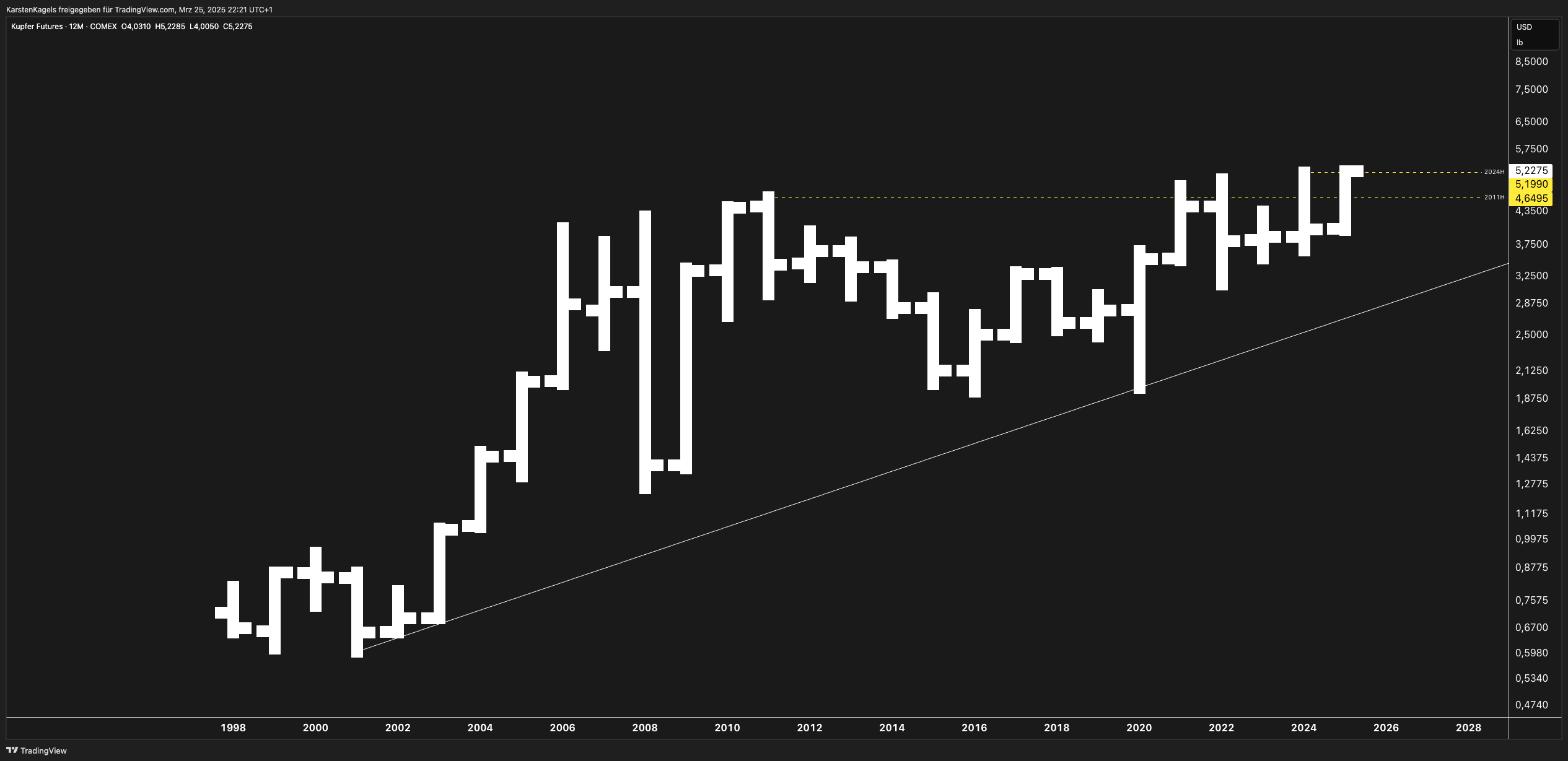
The Indonesian Ministry of Energy and Mineral Resources has reported that copper prices are expected to rise significantly until 2032 due to an imbalance between supply and demand. This announcement was made during a conference titled "Opening Growth Horizons in the Middle-Income Trap" held in Jakarta, where the Director General of Minerals and Coal, Tri Winarnoto, confirmed that the demand for copper will increase substantially in the coming years.
Winarnoto pointed out that data from the London Metal Exchange shows that the price of copper in 2022 ranged between $7,000 and $8,000 per ton, which is much lower than the expected prices in 2026, where prices are anticipated to reach $13,000 per ton between January and February of that year.
Event Details
These forecasts come at a time when the mining sector in Indonesia is undergoing significant transformations, as officials seek to enhance the industry by increasing productivity and improving the quality of human resources. Winarnoto emphasized that there are substantial growth opportunities in this sector, especially with the ongoing global demand for raw materials.
He also highlighted the importance of developing local industries, noting that advanced countries like the G7 have benefited from demographic shifts by boosting local industries. He affirmed that raw materials will remain in global demand unless there is a complete reliance on recycling.
Background & Context
Historically, copper prices have experienced significant fluctuations, as copper is one of the essential metals used in various industries, including construction and electronics. With the increasing demand for renewable energy and modern technology, experts expect the demand for copper to continue rising, which will directly impact prices.
Indonesia faces challenges in maintaining the growth of its mining industry, as some observers point to the risk of "deindustrialization," which could lead to a slowdown in economic growth. The Vice Chairman of the Energy Committee in the Indonesian Parliament, Chosnuni Chalime, indicated that a decline in manufacturing could result in reduced economic growth and increased reliance on imports.
Impact & Consequences
These forecasts are expected to significantly impact the Indonesian economy, as rising copper prices could lead to increased government revenues through taxes and returns from mineral exports. Additionally, strengthening the mining sector could contribute to creating new job opportunities and improving the standard of living in the country.
However, the Indonesian government must be cautious of the challenges associated with deindustrialization, as declining growth in industrial sectors could hinder long-term economic progress. Therefore, policies related to education and vocational training should be strengthened to support the workforce in this sector.
Regional Significance
Metal prices, including copper, are of great importance to Arab countries, as many nations rely on raw material exports. The rise in copper prices may affect production costs in local industries, which could reflect on prices in Arab markets.
Furthermore, enhancing cooperation between Arab countries and Indonesia in the mining sector could open new horizons for investment and trade, thereby strengthening economic relations between the two sides.