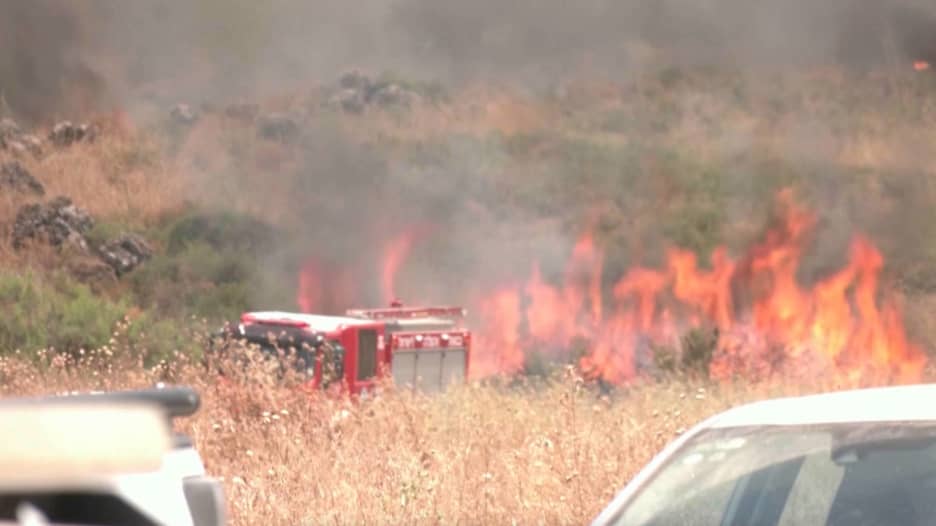
The spokesperson for the Israeli army, Ivi Deryan, stated on Sunday that Israel anticipates 'additional weeks of fighting' against Hezbollah and Iran, marking the 23rd day of military escalation in the region. This announcement reflects the ongoing conflict in the Middle East, indicating significant security challenges that Israel may face in the coming days.
Deryan explained during a televised press conference that the Israeli armed forces continue their military operations to 'weaken the Iranian regime' consistently. He remarked, 'With each passing day, we are weakening the Iranian system further. We will not allow this regime and its agents to pose a threat to our citizens.' These statements signal Israel's intention to escalate military operations and confront any threats to its national security.
Details on Ongoing Conflicts
Recent events have notably accelerated, with increased military confrontations between Israeli forces and Hezbollah on the northern front. Observers have reported that clashes are expected to persist amid repeated statements from both sides. These battles reflect the ongoing tensions between Israel and Hezbollah, fueled by Iranian support for the party, which represents a primary challenge to Israeli security.
In light of these tense conditions, the Israeli army insists there is no intention to de-escalate at the present time, which could have far-reaching implications for the stability of the entire region. Experts believe that any military escalation could lead to unpredictable incidents that may ignite broader conflicts by impacting other regional powers.
Context and Background
The conflict between Israel and Hezbollah spans several decades, but recent days have seen a significant shift in this struggle as tensions and statements have risen to new levels following the outbreak of war in the Middle East. The presence of Iran as a key player in the conflict is one of the core factors exacerbating the situation, given its military and financial support for Hezbollah.
It is also important to note that previous disputes in the region have deep historical and political backgrounds. Israel views Hezbollah as a result of Iranian strategy to expand its influence in the Middle East through local proxies, complicating relations between the two nations and making diplomatic solutions extremely challenging.
Consequences and Impact
The coming weeks may pose serious security and political consequences for the region. As fighting continues, the borders are likely to experience an escalation in military operations, potentially leading to loss of life and increased displacement of civilians from border areas. The impact of this conflict extends beyond Israel and Hezbollah to other regional countries that may find themselves embroiled in subsequent conflicts.
Additionally, these events could exacerbate tensions between Iran and Israel, leading to a heightened need for international alliances and external interventions aimed at stabilizing the region. This diversity in agendas could make reaching peace agreements a more complicated affair.
Impact on the Arab Region
The ongoing fighting between Israel and Hezbollah not only affects the involved combatants but also extends its impact to neighboring Arab countries, altering the political landscape in the region. The conflict raises fears of escalating violence and spreading humanitarian crises in other areas, causing concern among many Arab nations.
Furthermore, this escalation serves as a test for the policies of major Arab countries, as they must balance their national security with support for Palestinian issues and efforts towards peace. The ability of these nations to manage crises may lead to a reshaping of regional relationships and positions regarding future political processes.
Ultimately, the international community must devise realistic options to halt the escalation and reach peaceful solutions since the situation can no longer endure additional conflicts or new crises in an already challenging region.