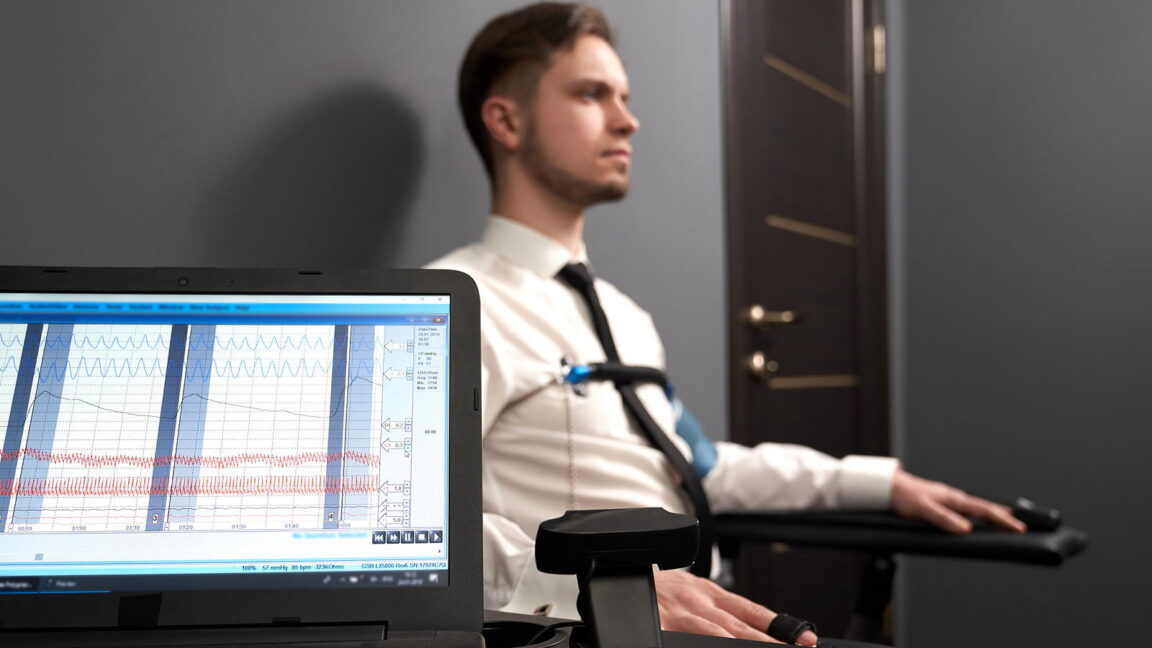
Research is increasing around the development of effective alternatives to lie detection tests, as the use of traditional lie detectors raises widespread debate about their accuracy and reliability. Many scientists believe that these devices, which rely on measuring physiological changes such as heart rate and blood pressure, may not be able to provide accurate results in all cases.
In recent years, academic institutions and private companies have begun exploring new techniques that may be more effective in identifying lies. However, significant doubts remain about the possibility of achieving accurate lie detection, raising questions about the future of these technologies.
Details of the Event
Lie detectors, which have been used for decades, are a common tool in criminal investigations and some legal cases. However, studies have shown that these devices can yield inaccurate results, as individuals may react differently to psychological pressures, leading to misleading outcomes.
Current research aims to develop new methods based on advanced technologies such as voice analysis and artificial intelligence. These methods seek to improve the accuracy of lie detection by analyzing speech patterns and non-verbal behaviors, potentially providing deeper insights into individuals' honesty.
Background & Context
Historically, lie detectors have been used since the early 20th century, regarded as a reliable tool for detecting deception. However, with advancements in psychological and technological sciences, researchers have begun to reassess the effectiveness of these devices. Research has shown that psychological and social factors play a significant role in how individuals respond during tests, making results unreliable at times.
In recent years, new techniques have been developed that rely on big data analysis and artificial intelligence, which could change the way we understand deception. These developments could have significant implications for fields such as security and law, providing more accurate and reliable tools.
Impact & Consequences
If current research succeeds in developing effective lie detection techniques, it could lead to radical changes in how criminal investigations are conducted. These technologies could become essential tools in courts, enhancing the accuracy of justice and reducing judicial errors.
However, we must be cautious of over-reliance on these technologies, as many questions remain regarding the ethics of their use and their impact on privacy. These tools should be used carefully, considering individuals' rights and privacy.
Regional Significance
In the Arab region, these developments could significantly impact justice and security systems. Many countries face issues related to corruption and crime, and new technologies could provide effective tools to combat these phenomena. However, these technologies must be applied cautiously, taking into account different cultural and social contexts.
Ultimately, the question remains open as to whether new technologies will achieve accurate lie detection. As research continues, there is hope for the development of more effective tools that help enhance justice and security in communities.