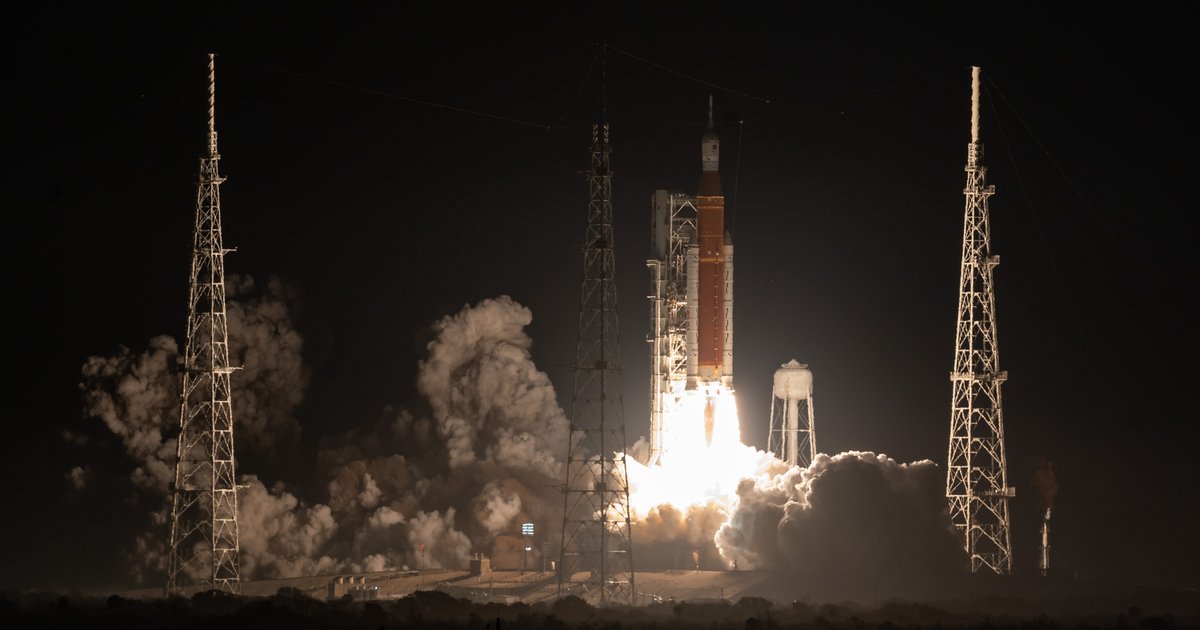
The space industry is witnessing unprecedented activity as the second Artemis mission prepares for launch, where Elon Musk, Jeff Bezos, and NASA are competing to realize the dream of a lunar economy. Many are questioning the potential for profit from this new boom.
The second Artemis mission is part of the Artemis program, which aims to return humans to the Moon by 2024, including sending astronauts to the Moon's south pole. This mission represents a significant step towards establishing a permanent base on the Moon, opening the door to new economic opportunities.
Event Details
NASA is preparing to launch Artemis II as part of its efforts to explore the Moon, where this mission will transport astronauts around the Moon before returning to Earth. This project comes at a time of increasing interest in space, with private companies like SpaceX and Blue Origin entering the competition.
These companies are striving to develop new technologies that facilitate access to the Moon, enabling the potential exploitation of lunar resources such as water and minerals. These resources could have significant impacts on the global economy, raising questions about how to regulate this new market.
Background & Context
Historically, humanity has seen several attempts to explore the Moon, starting with the Apollo program in the 1960s. However, modern technological advancements, such as reusable rockets, have changed the game. Today, private companies can play a key role in space exploration, opening the door to massive investments.
This new phase of space exploration presents a unique opportunity for both countries and companies. As interest in space grows, so does the number of investors eager to enter this new market, reflecting a shift in how space is viewed as an economic opportunity.
Impact & Consequences
If these projects succeed, they could lead to radical changes in the global economy. Lunar resources could help reduce reliance on terrestrial resources, potentially leading to shifts in raw material prices. Additionally, establishing a base on the Moon could pave the way for the development of new technologies in fields such as energy and technology.
Moreover, these developments could lead to increased international cooperation in space, as countries collaborate in lunar exploration and the development of new technologies. This cooperation could contribute to enhancing peace and stability in the world.
Regional Significance
For Arab countries, this development represents an opportunity to enhance their role in the field of space. Some Arab nations, such as the United Arab Emirates, have begun significant investments in space, reflecting a forward-looking vision to enhance their technological capabilities. These projects could contribute to developing new economies and creating job opportunities in the region.
Arab countries can also play a role in international cooperation in space, enhancing their position on the global stage. This collaboration could open doors to new partnerships in research and development.