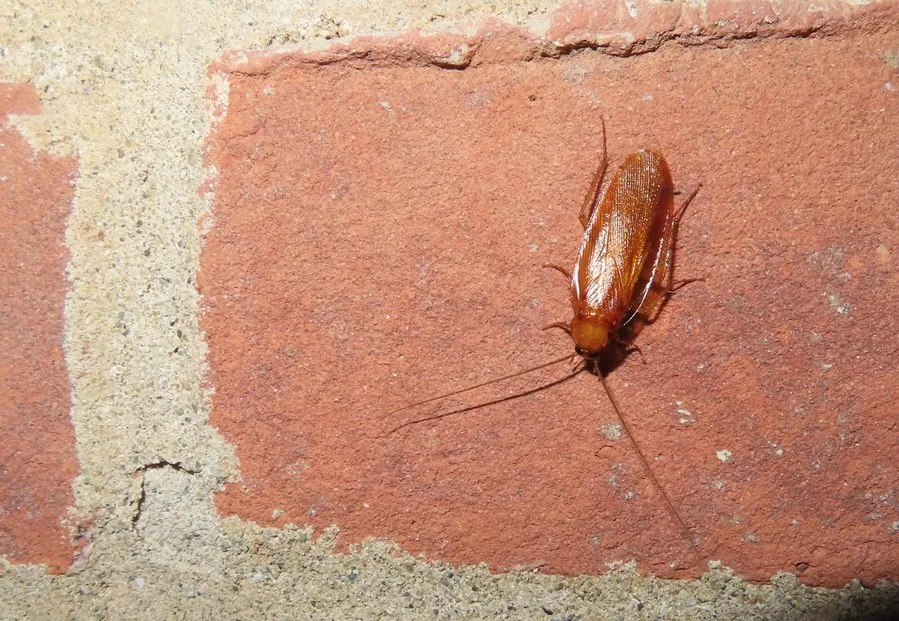
Wood cockroaches display a unique behavior in the insect world, where their romantic relationships begin with a bite of each other's wings, leading to the formation of strong bonds characterized by loyalty and aggression towards any intruder. This phenomenon, observed in a recent study, reflects these creatures' ability to build long-lasting relationships, ensuring that partners remain by each other's side.
According to a study published in the journal Royal Society Open Science, the wood cockroach species Salganya taiwanensis is not only capable of lifelong mating but also exhibits behaviors that reflect social loyalty through simple mechanisms. These cockroaches, which can live up to five years, adopt a monogamous lifestyle, which is rare among insects.
Details of the Behavior
Environmental behavior scientist Haruka Osaki from the Museum of Nature and Human Activities in Hyogo, Japan, explains that the male and female exchange wing bites as part of their mating ritual. This behavior occurs immediately after pairing, before the couple begins to build a shared nest and care for their young. It is believed that this behavior has practical benefits, as it helps reduce wing size, facilitating movement in tight spaces within nests.
Although researchers have not yet pinpointed the exact reasons behind this behavior, they believe that the marital bonds enhance the survival of these cockroaches, aiding them in cooperating to raise their young and increasing offspring numbers. Osaki notes that the wings do not represent a significant food source, suggesting that this behavior may be more than just feeding; it might act as an internal stimulus that triggers behavioral and social changes.
Background & Context
This phenomenon exemplifies behavioral complexity in the insect world, with research showing that wood cockroaches are not merely simple organisms but possess cognitive abilities and complex social behaviors. This discovery is an important step in understanding how living organisms interact with each other and how their behaviors can evolve over time.
Previous studies have indicated that some other insect species exhibit similar behaviors, but they have not been documented in as much detail. This research opens new avenues for studying social relationships in the insect world and enhances our understanding of how these behaviors evolve.
Impact & Consequences
The results indicate that pairs that exchange wing bites become more aggressive towards intruders, reflecting the strength of the bonds formed. This behavior enhances the couples' ability to defend their nests and young, increasing their chances of reproductive success. Additionally, this type of cooperation may have far-reaching effects on the survival of the species as a whole.
Moreover, the loss of wings may protect cockroaches from parasites and mold, contributing to the health of the young. This dynamic illustrates how simple behaviors can lead to complex outcomes that affect species survival.
Regional Significance
While this research may seem distant from our daily concerns, it highlights the importance of understanding social relationships in all living organisms, including those inhabiting our environments. These discoveries could inspire scientists and researchers in the Arab region to explore more about the behaviors of living organisms in their local environments.
Ultimately, this research shows that relationships in the insect world may be more complex than previously thought, opening the door to a deeper understanding of how living organisms interact with each other in nature.