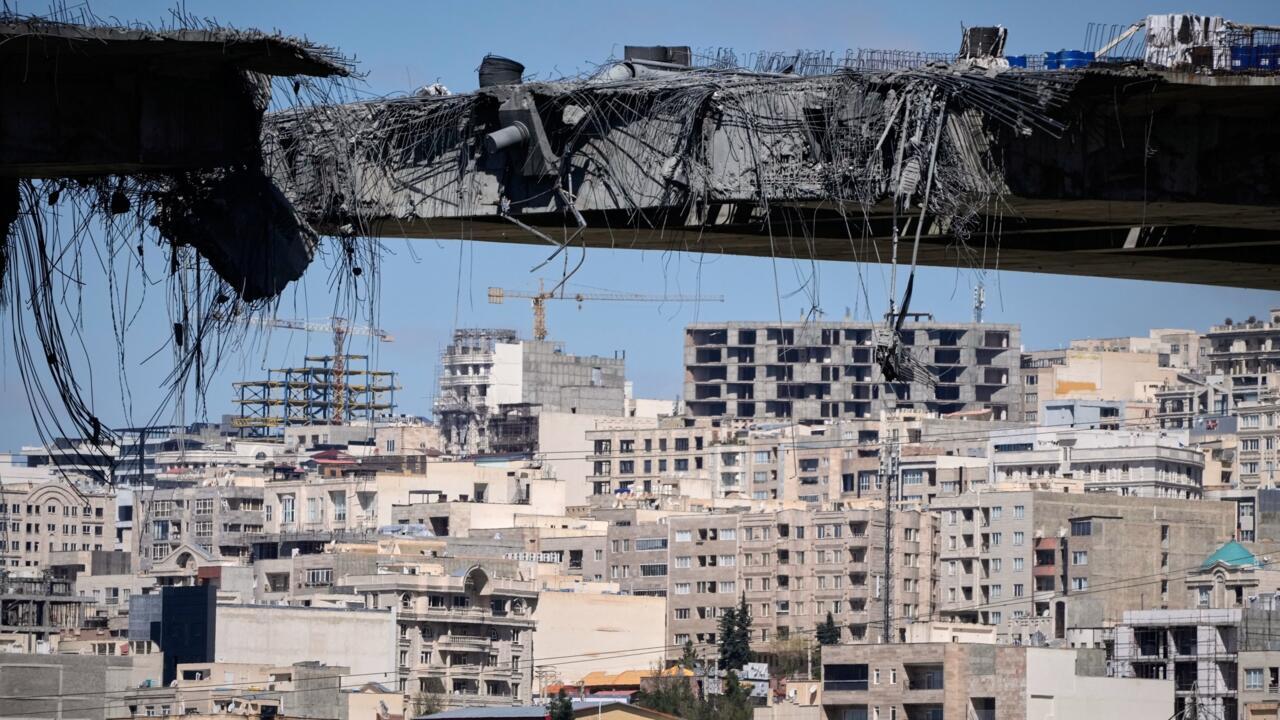
Explosions were heard in the Iranian capital, Tehran, this morning, coinciding with a military escalation in the region as the war in the Middle East approaches its sixth week. The explosions, audible in northern Tehran, followed intensive airstrikes targeting this area, raising concerns about the rising tensions.
The explosions occurred around 7:30 AM Tehran time, accompanied by a sound resembling drone activity, further heightening the atmosphere of tension. Reports indicate that the Israeli military has begun airstrikes on the southern suburbs of Beirut, targeting what it described as "Hezbollah infrastructure," after destroying a bridge in eastern Lebanon to prevent reinforcements from reaching the Iran-backed group.
Details of the Incident
According to a reporter from Agence France-Presse, loud explosions were heard in northern Tehran, with two explosions recorded within half an hour. Smoke was observed rising after one of the explosions, indicating the potential scale of destruction. In Lebanon, Israeli airstrikes targeted the southern suburbs, which have been a repeated target of Israeli bombing in recent days, as Israeli forces continue their ground incursion in the south of the country.
In a related context, Iranian and American officials reported the downing of two American fighter jets over Iran and the Gulf. The first, an F-15E, was shot down by Iranian fire, while the second, an A-10 Warthog, crashed over Kuwait after being hit by Iranian fire, prompting the pilot to eject. Two Black Hawk helicopters participated in the search for the missing pilot but also came under Iranian fire.
Background & Context
These events come at a sensitive time, with the intensity of the conflict in the Middle East escalating for weeks as the war enters its thirty-sixth day. The current conflict is a result of increasing tensions between Iran and its allies on one side and Israel and the United States on the other. The region has witnessed a series of airstrikes and military operations, raising fears of military escalation.
Historically, the southern suburbs of Beirut have been a hub for Hezbollah activity, which many countries consider a terrorist organization, while Iran and its allies view it as a resistance movement. The current military escalation reflects ongoing tensions between these parties and suggests the possibility of greater escalation in the future.
Impact & Consequences
The current escalation in the conflict may have serious implications for regional security. Continued Israeli airstrikes on Lebanon could provoke reactions from Hezbollah, potentially dragging the region into a wider conflict. Additionally, the downing of American aircraft reflects rising tensions between the United States and Iran, complicating the security situation in the Gulf.
The economic and social impacts of this conflict could be significant, as civilians in both countries suffer the consequences of war, including loss of life and destruction of infrastructure. The ongoing conflict may also affect political stability in the region, increasing tensions among various countries.
Regional Significance
This military escalation in Iran and Lebanon could have profound effects on neighboring Arab countries. The ongoing conflict may lead to an influx of refugees and increased sectarian tensions in the region. Arab countries may find themselves compelled to intervene or take clear stances regarding current events, further complicating the regional situation.
In conclusion, the situation in the Middle East remains tense, with the ongoing conflict between various powers. It is crucial to closely monitor developments, as any further escalation could lead to widespread ramifications for security and stability in the region.