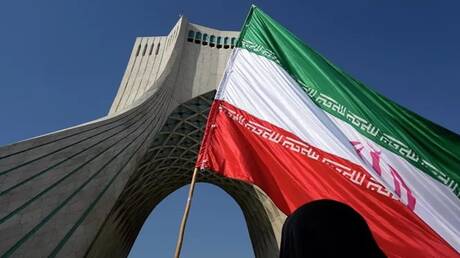
Explosions were heard in the Iranian capital, Tehran, on Saturday evening, prompting the activation of air defense systems. The attacks targeted residential areas south and southeast of the capital, raising concerns among local residents.
Iranian media reported that the explosions occurred late Saturday evening, following the detection of unusual movements in the airspace. Details regarding the source of the explosions or the intended targets remain unclear, but initial reports suggest that the attacks may be linked to escalating regional tensions.
Details of the Incident
According to local sources, air defense systems in Tehran were activated after the explosions were heard, indicating a potential aerial threat. Material damage has been reported in the targeted areas, but no injuries have been confirmed so far. This incident comes at a sensitive time for Iran, as the country is experiencing increasing internal and external tensions.
Later reports indicated that the attacks targeted a water reservoir in Khuzestan province, which may suggest an attack on critical infrastructure. This type of attack reflects an escalation in the ongoing conflict in the region and raises concerns about its implications for Iranian national security.
Background & Context
Iran is in a state of continuous tension due to regional conflicts, facing pressures from various entities, including the United States and its allies. The internal situation in Iran is also marked by unrest, complicating the security landscape. In recent years, the country has witnessed several similar attacks, reflecting rising tensions between the government and opposition groups.
Historically, Iran has been a center of regional conflicts, playing a pivotal role in supporting its allies in the region, such as Hezbollah in Lebanon and the Houthis in Yemen. This role makes it a target for numerous attacks, both from its regional adversaries and extremist groups.
Impact & Consequences
These events indicate a potential escalation in the ongoing conflict in the region, which may provoke reactions from the Iranian government. Iran is likely to take additional steps to bolster its internal security, which could lead to increased tensions with neighboring countries. Furthermore, these events may impact Iran's relations with major powers, especially amid ongoing negotiations regarding Iran's nuclear program.
Moreover, these attacks could escalate the conflict in the region, as external powers may intervene to support one of the parties involved. This escalation could negatively affect regional security and increase the suffering of civilians in the affected areas.
Regional Significance
Events in Iran directly affect neighboring Arab countries, as Iran is a key player in many regional conflicts. The escalation of tensions in Iran could lead to increased instability in Iraq, Syria, and Lebanon, where Iran-linked groups are present.
Additionally, these events could impact oil prices and financial markets, as any escalation in conflict may lead to market volatility. Arab countries that rely on oil may face economic challenges as a result, increasing economic pressures on their governments.
In conclusion, the situation in Iran remains under close observation, as any new developments could affect regional and international security. It is essential to monitor events closely to understand their potential implications for the region.