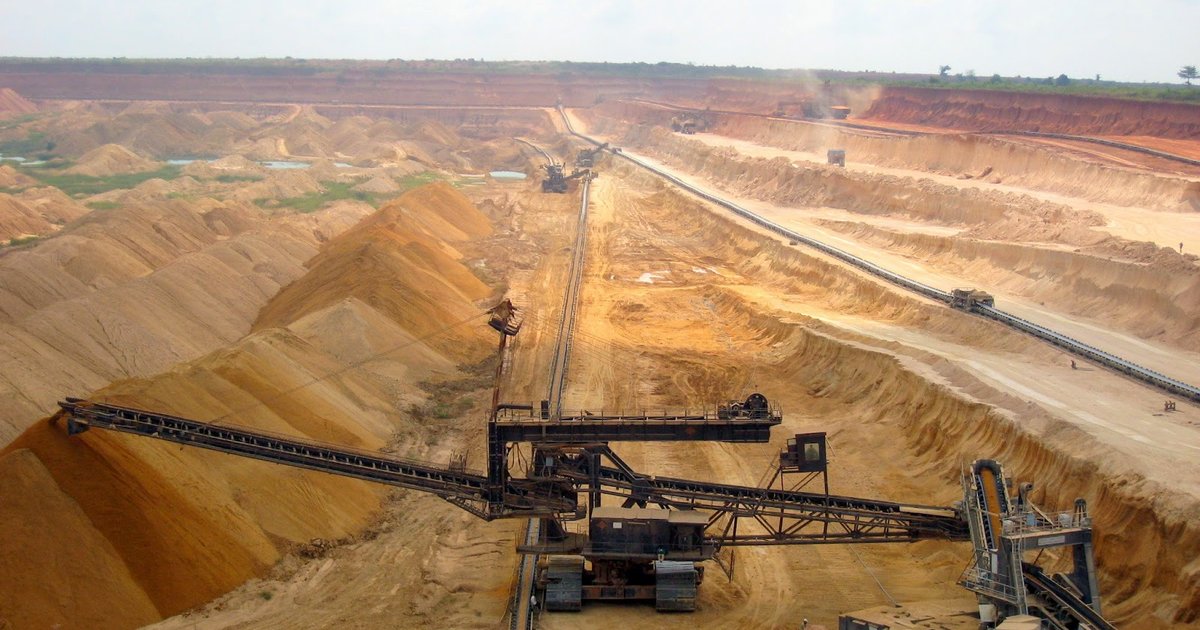
The Red Sea Ports Authority announced the export of 52,000 tons of phosphate from Safaga Port to China, in a move that reflects the increasing activity in the Egyptian commercial sector. This deal comes at a time when Egypt is seeking to enhance its exports and increase its foreign currency revenues.
Phosphate is considered one of the essential materials used in various industries, including fertilizer production, making it a strategic commodity in the global market. China is one of the largest consumers of phosphate in the world, opening new horizons for trade cooperation between the two countries.
Details of the Export Operation
The export operation was conducted under the supervision of the General Authority for Red Sea Ports, where shipments were prepared in record time to ensure their timely arrival in the Chinese market. Port officials indicated that this operation reflects Egypt's ability to meet the needs of global markets.
This step is part of the Egyptian government's plan to enhance its exports of raw materials, aiming to increase export volume to $10 billion annually. Several measures have been taken to improve port infrastructure and facilitate loading and unloading operations, contributing to the acceleration of trade movement.
Background & Context
Historically, Egypt has been one of the largest exporters of phosphate, possessing significant reserves of this material. With the increasing global demand for phosphate, especially amid population growth and the rising need for food, Egypt is striving to better exploit these resources.
In recent years, trade relations between Egypt and China have seen notable growth, with China being one of Egypt's largest trading partners. Numerous economic agreements have been signed between the two countries to enhance cooperation in various fields, including energy and infrastructure.
Impact & Consequences
This deal is a positive step towards boosting the Egyptian economy, contributing to increased foreign currency revenues. Additionally, the export of phosphate to China reflects confidence in the quality of Egyptian products, enhancing Egypt's reputation in global markets.
Moreover, increasing exports means creating more job opportunities in the mining and transportation sectors, which contributes to improving the economic conditions for many Egyptian families. This move may also encourage further foreign investments in this sector.
Regional Significance
Many Arab countries are seeking to enhance their exports of raw materials, and Egypt's experience in exporting phosphate serves as a model to emulate. This step can contribute to strengthening economic cooperation among Arab countries, aiding in achieving sustainable development in the region.
At the same time, Egypt's success in exporting phosphate to China may encourage other countries to explore new markets, enhancing the region's competitiveness in the global market.
In conclusion, the export of 52,000 tons of Egyptian phosphate to China represents a strategic step that reflects Egypt's capacity to meet global market needs and enhances its position as a key supplier of raw materials. As the government continues its efforts to boost exports, we may witness further successes in the near future.