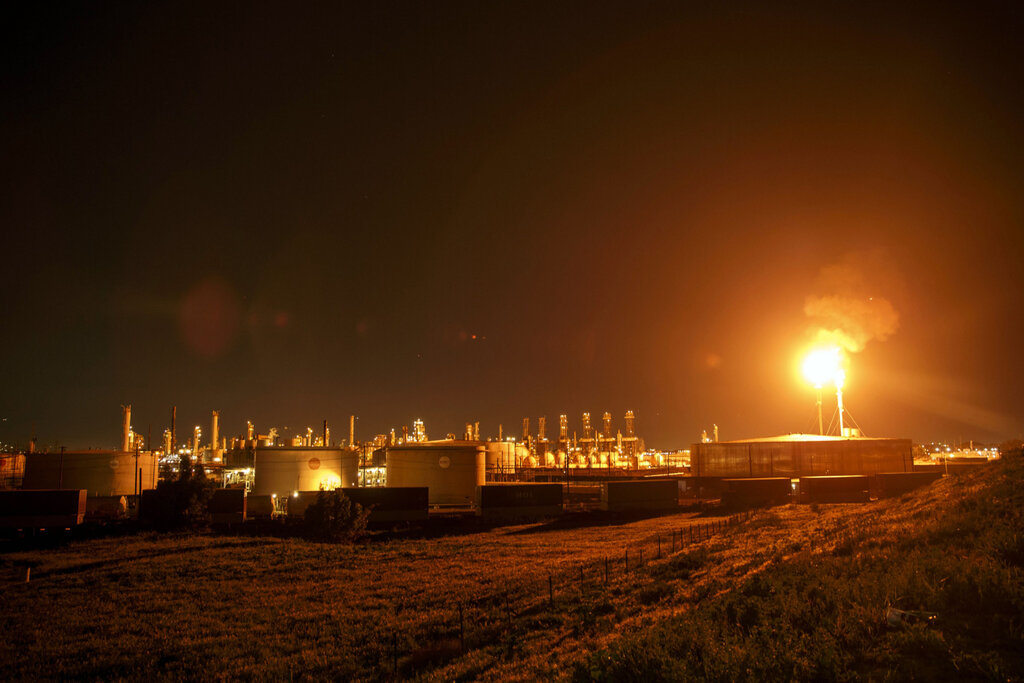
ExxonMobil, one of the largest oil companies in the world, has announced that the ongoing war in Iran has resulted in a loss of 6% of its global production during the first quarter of this year. Its operations in the Arabian Gulf have been severely affected, impacting oil and gas supplies in global markets.
As a leading energy company, ExxonMobil plays a vital role in meeting global market demands for oil and gas. With rising tensions in the Gulf region, it has become evident that the company's production operations are facing significant challenges, raising concerns about supply stability in the near future.
Details of the Event
Reports indicate that ExxonMobil has experienced a noticeable decline in its production due to deteriorating security conditions in Iran. Many oil and gas operations have been suspended, leading to a substantial reduction in output. This decline comes at a very sensitive time, as global markets seek to stabilize oil prices amidst significant fluctuations.
Oil supplies in the Gulf have generally been affected, as this region is one of the world's most important energy sources. With escalating conflicts, fears are growing regarding the impact on global prices, which could lead to increased energy costs for consumers.
Background & Context
Historically, the Arabian Gulf has been a center for political and military conflicts, affecting the stability of global oil markets. For decades, the region has witnessed numerous disputes that have led to fluctuations in oil prices, making it a sensitive area for the global economy.
The war in Iran is not new, but the recent escalation in the conflict has cast a shadow over regional stability. Increasing tensions between Iran and Western countries, along with internal disputes, contribute to worsening conditions, impacting global companies like Exxon.
Impact & Consequences
The loss of such a volume of production by Exxon can have significant effects on global oil prices. Any reduction in supplies can lead to price increases, impacting the global economy as a whole. Furthermore, this situation may open the door for other companies to enhance their market share.
Moreover, the effects of this war may extend to neighboring countries, where their economies could be directly affected by rising energy prices. Countries that rely on oil imports will face additional challenges in securing their needs.
Regional Significance
For Arab countries, the rising tensions in the Gulf may directly impact their economic stability. Many Arab nations depend on oil exports, and any increase in prices could lead to additional economic pressures.
Additionally, the deteriorating security situation in Iran may raise concerns about stability in the region, potentially leading to political and economic repercussions for neighboring countries. Therefore, monitoring developments in Iran will be essential to understand the potential impacts on the region.
In conclusion, recent events in Iran highlight the importance of regional stability and its effects on global markets. Exxon's loss of such a volume of production reflects the challenges faced by major companies amid political crises, necessitating a swift response from governments and businesses to ensure supply stability.