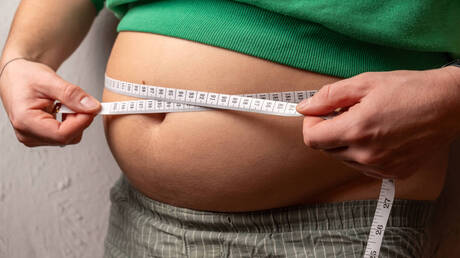
A new study indicates that fat accumulation around the waist, combined with decreased muscle mass, significantly raises the risk of death for individuals over the age of fifty. These findings highlight the importance of physical health during this age period.
This study is part of ongoing efforts to understand the health factors affecting the elderly. Research has shown that physiological changes that occur with aging, such as increased abdominal fat and loss of muscle mass, play a key role in determining overall health and longevity.
Details of the Study
The study was conducted on a group of individuals aged between 50 and 80 years, where body fat percentage and muscle mass were measured. The results showed that individuals with increased fat around the waist, along with decreased muscle mass, were more likely to die compared to their peers who maintained a healthy weight and good muscle mass.
These findings are extremely important, as they underscore the need for preventive measures to maintain the physical and mental health of the elderly. Researchers point out that exercise and proper nutrition can play a crucial role in improving these factors.
Background & Context
The number of elderly individuals is increasing worldwide, making it essential to understand the factors that affect their health. Statistics indicate that the number of people over the age of 60 will reach 2 billion by 2050, necessitating effective strategies to enhance their quality of life.
Obesity and muscle loss are major health issues affecting this age group. Previous studies have shown that obesity is linked to many chronic diseases such as diabetes and heart disease, which increases the risk of death.
Impact & Consequences
This study highlights the importance of raising awareness about physical health among the elderly, as lifestyle changes can lead to improved health outcomes. It is crucial for communities to adopt strategies to reduce obesity and promote physical activity among the elderly.
The results also indicate the necessity of providing comprehensive health support programs that include proper nutrition and exercise, which can contribute to improving quality of life and increasing life expectancy.
Regional Significance
In the Arab region, obesity rates among the elderly are rising, necessitating special attention from governments and communities. Arab countries should adopt health policies aimed at raising awareness about the importance of physical activity and proper nutrition.
This study serves as a call to think about how to improve the health of the elderly in the Arab world, where lifestyle changes can help reduce health risks and enhance quality of life.
In conclusion, these findings emphasize the importance of focusing on the physical and mental health of the elderly and providing the necessary support to maintain their quality of life.