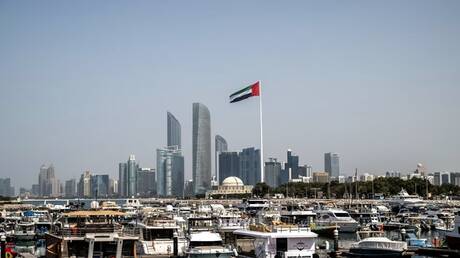
Abu Dhabi reported two fires at the Habshan gas facilities due to debris falling during a successful air interception, resulting in one death and four injuries. The incident occurred late last night when the Emirati air defenses were responding to an aerial attack, leading to debris falling on critical facilities.
The Habshan gas facilities are among the most important oil installations in the United Arab Emirates, playing a vital role in securing natural gas supplies. The fire that broke out as a result of the incident caused significant damage to the facilities, raising concerns about the safety of operations in the area.
Details of the Incident
According to the Abu Dhabi Media Office, the fire was quickly controlled by firefighting teams, who responded immediately to the reports. However, the damage to the facilities was substantial, necessitating a comprehensive assessment of the economic and environmental impact of the incident. This event comes at a sensitive time as the UAE seeks to enhance its security and stability amid rising regional tensions.
It is noteworthy that the Emirati air defenses have successfully conducted interceptions in the past, reflecting the country's capability to protect its vital installations. Nevertheless, this incident highlights the challenges faced by the UAE in the realm of air security, especially in light of the tense situation in the region.
Background & Context
Historically, the UAE has experienced numerous regional tensions, particularly with the escalation of conflicts in the Middle East. The Habshan facilities are part of the critical infrastructure that the country relies on to secure energy supplies. In recent years, the UAE has increased its investments in defense, reflecting the importance of protecting these facilities from potential threats.
This incident also occurs against the backdrop of increasing tensions between certain countries in the region, heightening the need to bolster security and prepare for any future challenges. The UAE has shown significant resilience in dealing with crises, enhancing its ability to respond swiftly to any threats.
Impact & Consequences
The incident could have significant repercussions on the energy sector in the UAE, as it may affect gas supplies and increase production costs. Additionally, the damage to the facilities could lead to delays in operations, impacting the local economy. At the same time, the incident could raise awareness about the importance of air security and boost investments in this area.
Furthermore, the incident may affect the UAE's international relations, as it could lead to increased pressure on the government to enhance security in the face of potential threats. The incident may also raise concerns among investors regarding the stability of the region, which could impact foreign investments.
Regional Significance
This incident reflects the security challenges faced by many Arab countries amid the tense conditions in the region. Strengthening security in the UAE could serve as a model for other nations facing similar threats. The incident also highlights the importance of regional cooperation in security, as Arab countries can work together to enhance their defensive capabilities.
In conclusion, this incident serves as a reminder of the importance of security and stability in the region, reflecting the challenges faced by countries in protecting their vital installations. Arab nations must enhance their cooperation in security to address common threats and ensure regional stability.