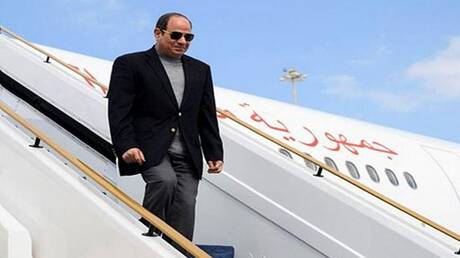
The Egyptian Ministry of Interior today disclosed new details regarding a previous terrorist attempt to target President Abdel Fattah el-Sisi's presidential plane. This information emerged after the arrest of a prominent leader in the Hasm movement, which is considered one of the active extremist groups in the country.
The investigations conducted by the ministry revealed that the plot involved using shoulder-fired missiles to target the aircraft, reflecting the level of threat facing the country amid rising terrorist activities. This attempt was thwarted before it could be executed, showcasing the efforts of security agencies in countering these threats.
Details of the Incident
According to the disclosed data, there were precise plans to target the presidential plane, with the timing and location of the attack meticulously determined. Suspicious movements of members from the Hasm movement were monitored, leading to intensified security efforts in the area. The arrest of the leader of the movement is considered a significant step in the fight against terrorism, as he is believed to have played a key role in planning this operation.
Investigations are ongoing, with authorities seeking to uncover more details about the network that was planning this attack, as well as identifying any other individuals who may be involved.
Background & Context
The Hasm movement is one of the groups that emerged in recent years in Egypt, known for adopting extremist and violent ideologies. The movement has been linked to several terrorist attacks targeting security forces and civilians. In recent years, Egypt has witnessed a surge in terrorist activities, especially following the January 25, 2011 revolution, which led to significant political and security changes.
Security efforts to confront these threats have doubled, with numerous military and security operations conducted against extremist groups. However, challenges remain, necessitating new strategies to address this phenomenon.
Impact & Consequences
The attempt to target the presidential plane is an indicator of the rising terrorist threats in Egypt, prompting a reevaluation of security strategies. This incident could impact the political stability in the country, increasing pressure on the government to enhance security and protect public figures.
Moreover, these events may lead to heightened tensions between the government and opposition groups, negatively reflecting on the security and economic situation in the country. It is crucial for the government to take effective steps to ensure the safety of citizens and bolster trust in security agencies.
Regional Significance
Egypt is considered one of the pivotal countries in the Arab region, and any security threats within it could affect regional stability. The rise in terrorist activities may exacerbate instability in neighboring countries, necessitating regional cooperation to combat terrorism.
Furthermore, these events may highlight the importance of strengthening security cooperation among Arab countries to address common challenges. Coordination among security agencies in Arab nations is vital to confront extremist groups that do not recognize borders.
In conclusion, efforts to combat terrorism in Egypt and the region require continuous support and international cooperation to ensure security and stability.