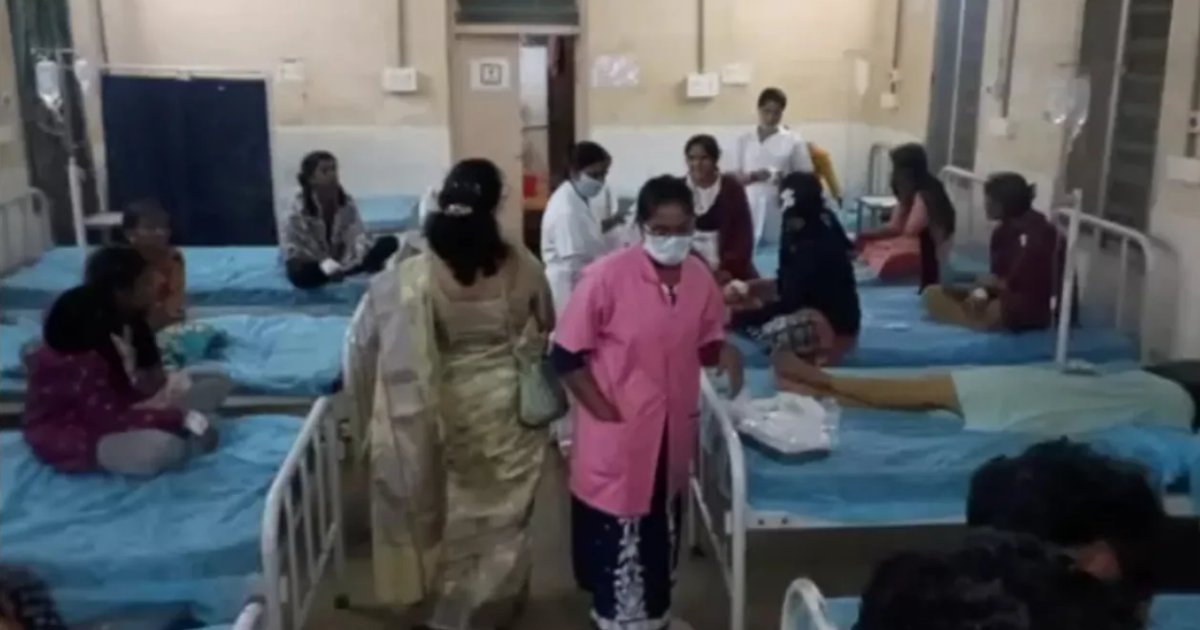
Authorities in Jakarta reported food poisoning cases affecting 135 students and teachers after they consumed meals from the free nutrition program (MBG) in East Jakarta. The incident, which took place last Thursday, raised significant concerns about the safety of the food provided to students, as many were hospitalized for treatment.
The Governor of Jakarta, Anies Baswedan, stated that the National Nutrition Agency (BGN) would take responsibility for cases not covered by health insurance, affirming that all students enrolled in the government health insurance would receive necessary care until they recover.
Details of the Incident
The incident occurred in four different schools in the Pondok Kelapa area, where 33 students were affected at SDN Pondok Kelapa 09, 37 students at SDN Pondok Kelapa 01, 31 students at SDN Pondok Kelapa 07, and 34 individuals at SMAN 91, including 28 students and 6 teachers.
The meal that caused the poisoning, which consisted of spaghetti, was served during the school meal distribution, leading students to consume it directly. The governor noted that all cases transferred to hospitals were in stable condition and receiving appropriate treatment.
Background & Context
Free nutrition programs are a fundamental part of the government’s efforts to improve student health in Indonesia, aiming to provide balanced meals for students in schools. However, incidents like this raise questions about food safety standards and the necessary monitoring to ensure student health.
Historically, Indonesia has witnessed several similar cases of food poisoning in schools, prompting the government to enhance regulatory measures on food provided to students. This incident serves as a reminder of the need to improve food safety standards nationwide.
Impact & Consequences
The incident could significantly affect parents' trust in school nutrition programs, potentially leading them to demand stricter measures to ensure food safety. Additionally, this incident may lead to a comprehensive review of food policies in schools, including how meals are prepared and distributed.
Legal repercussions may arise for those responsible for providing the meals, as there may be investigations into their compliance with food safety standards. The local government may also face increased pressure to improve the healthcare system for students.
Regional Significance
Food safety issues are critical concerns for all countries, including Arab nations. Incidents like this highlight the importance of having effective regulatory systems to ensure the safety of food provided to children. In many Arab countries, concerns are rising regarding the quality of food served in schools, necessitating the enhancement of health standards.
In conclusion, governments worldwide, including those in Arab countries, must learn from these incidents to strengthen food safety and protect student health.