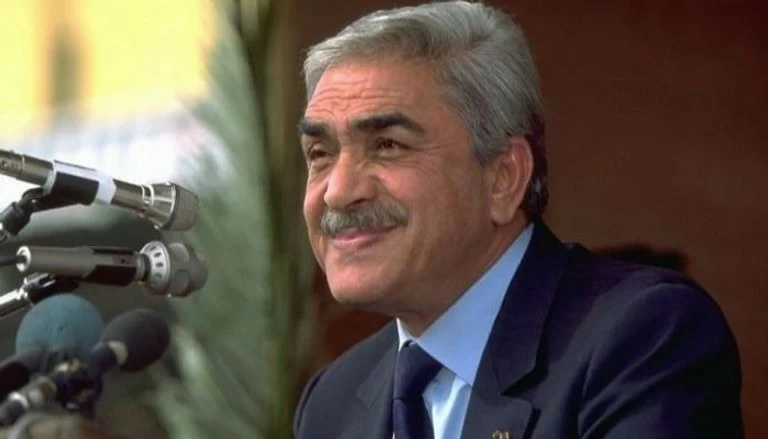
Former Algerian President Liameen Zéroual has died at the Mohamed Boudia Military Hospital in Algiers after a prolonged battle with a serious illness. The Algerian presidency issued an official statement mourning the loss of the former leader, who is considered one of the most significant symbols of the Algerian revolution, stating: "The presidency mourns the death of former President and freedom fighter Liameen Zéroual at the Mohamed Boudia Military Hospital this evening, after a struggle with a serious illness."
Liameen Zéroual was born on July 3, 1941, in the city of Batna. He joined the National Liberation Army in 1957 at the age of 16 and participated in the liberation war until 1962. Zéroual is a pivotal figure in modern Algerian history, having advanced through military ranks after independence and received military training in the Soviet Union and France, which enhanced his leadership capabilities.
Details of the Event
Zéroual served as Minister of National Defense in 1993, and on January 31, 1994, he assumed the presidency during a challenging transitional period known as the "Black Decade," characterized by violence and internal conflicts. On November 16, 1995, Zéroual was elected President in the first multi-party presidential elections following the crisis, serving until April 27, 1999, when he announced early presidential elections.
During his presidency, Zéroual was known for his attempts to end the security crisis through the "Civil Concord" initiative, which laid the groundwork for subsequent national reconciliation. His calm demeanor and straightforward personality helped manage one of the most perilous phases in contemporary Algerian history, earning him widespread respect among the Algerian people.
Background & Context
Modern Algerian history is fraught with challenges, particularly during the 1990s, which saw bloody conflicts between the government and armed groups. The "Black Decade" was a difficult period for the Algerian people, with thousands losing their lives and the country facing economic and social crises. In this context, Liameen Zéroual emerged as a leader striving for stability and security.
It is important to note that Zéroual was not only a military leader but also a symbol of national reconciliation, as he worked tirelessly to unite factions at a time when the country was suffering from division. His initiative contributed to creating a new political environment that helped rebuild trust between the government and the people.
Impact & Consequences
The death of Liameen Zéroual is a significant loss for Algeria, as he was viewed as one of the leaders who contributed to shaping the country's future after crises. His passing raises questions about how to deal with the legacy he left behind and how Algeria can benefit from his experience in addressing current challenges.
Politically, Zéroual's death may impact the political landscape in Algeria, as many current leaders look to draw lessons from his experience. Additionally, his passing may reopen discussions about the importance of national reconciliation in light of the current challenges facing the country.
Regional Significance
The experience of Algeria during the "Black Decade" serves as an important lesson for other Arab countries facing similar challenges. Internal conflicts and political crises are not unique to Algeria but extend to many Arab nations suffering from instability. Zéroual's "Civil Concord" initiative could serve as a model for reconciliation efforts in conflict regions.
In conclusion, the death of Liameen Zéroual reminds us of the importance of wise leadership in difficult times and highlights the need to promote dialogue and reconciliation in the Arab world to ensure a better future for upcoming generations.