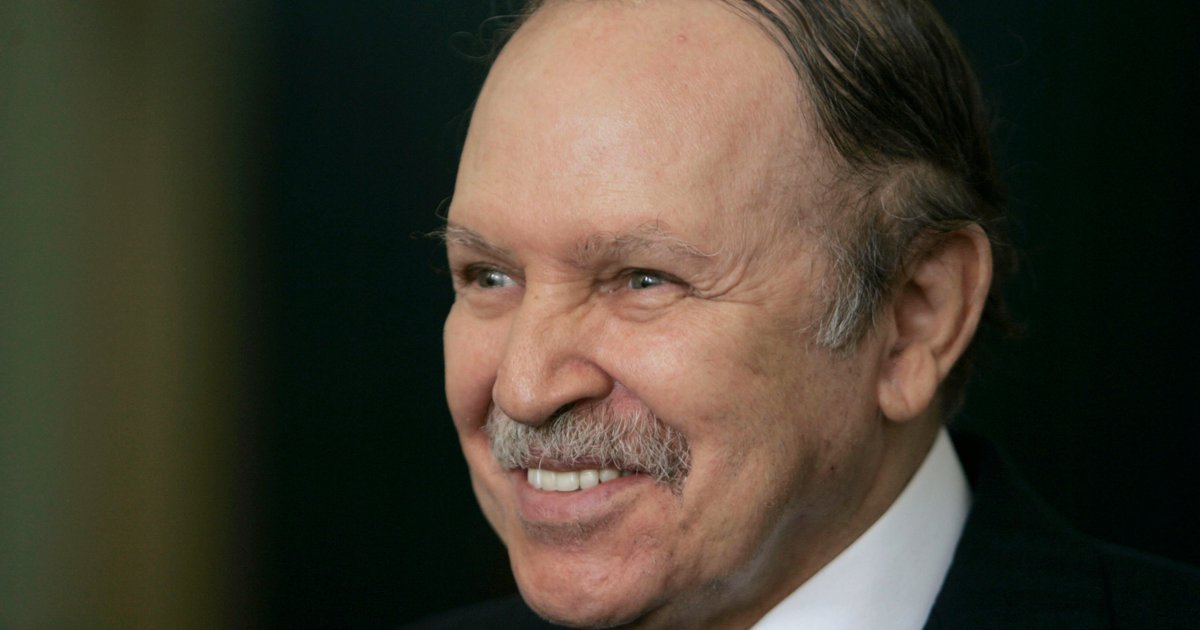
Former President of Algeria Liamine Zéroual passed away on Saturday evening at the age of 84, with the Algerian presidency mourning his loss and declaring a national mourning period of three days. This announcement was made by President Abdelmadjid Tebboune, who also approved the lowering of the national flag across the country and at Algerian diplomatic missions abroad.
According to a brief statement issued by the Algerian presidency, Zéroual died at the military hospital "Mohamed Belkhider" in the capital, Algiers. Zéroual was known for his significant role in modern Algerian history, having assumed the presidency during a sensitive period following the end of the Algerian civil war.
Details of the Event
Liamine Zéroual, who served as President from 1994 to 1999, was a pivotal figure during Algeria's democratic transition. He took office after controversial elections, at a time when the country was grappling with deep political and economic crises. He was known for his efforts to restore stability through political and economic reforms.
During his presidency, Zéroual launched several initiatives aimed at promoting democracy and human rights, despite the significant challenges faced by the country at that time. His policies left a profound impact on Algeria's political landscape, contributing to the shaping of the current political scene.
Background & Context
The history of Liamine Zéroual extends back to the post-independence era, where he played a role in the Algerian army during the revolution against French colonialism. After independence, he held several military and political positions, gaining extensive experience in crisis management. He assumed the presidency at a time when Algeria was experiencing political chaos, marked by internal conflicts and struggles with armed groups.
After his presidency, Zéroual chose to step away from political life, yet remained an influential figure in Algeria, often consulted on various national issues. His passing marks the end of an era in modern Algerian history, as Zéroual symbolized the transition from chaos to stability.
Impact & Consequences
The announcement of a national mourning period of three days reflects the deep respect Zéroual held in the hearts of Algerians. His death is expected to influence the political landscape in Algeria, as memories of his initiatives may spark discussions about the country's future. The national mourning may also indicate the government's desire to unify the ranks at a time when the country needs stability.
Zéroual's passing comes at a sensitive time for Algeria, which faces significant economic and social challenges. These events may lead to a reevaluation of current policies and a search for new solutions to the issues confronting the nation.
Regional Significance
The death of Zéroual is an important event not only for Algeria but for the Arab region as a whole. Zéroual was part of a long history of conflicts and political transformations in the Arab world. His departure highlights the need for political and economic stability in the region, where many countries are suffering from similar crises.
Furthermore, Zéroual's death may open the floor for discussions about the role of Arab leaders in promoting democracy and human rights, a topic that is gaining increasing importance amidst the current political changes in the region.
In conclusion, the death of Liamine Zéroual represents a pivotal moment in modern Algerian history, reminding us of the importance of political and economic stability in building a better future for the country. The declared national mourning reflects the respect and appreciation Zéroual garnered, while also highlighting the challenges Algeria currently faces.