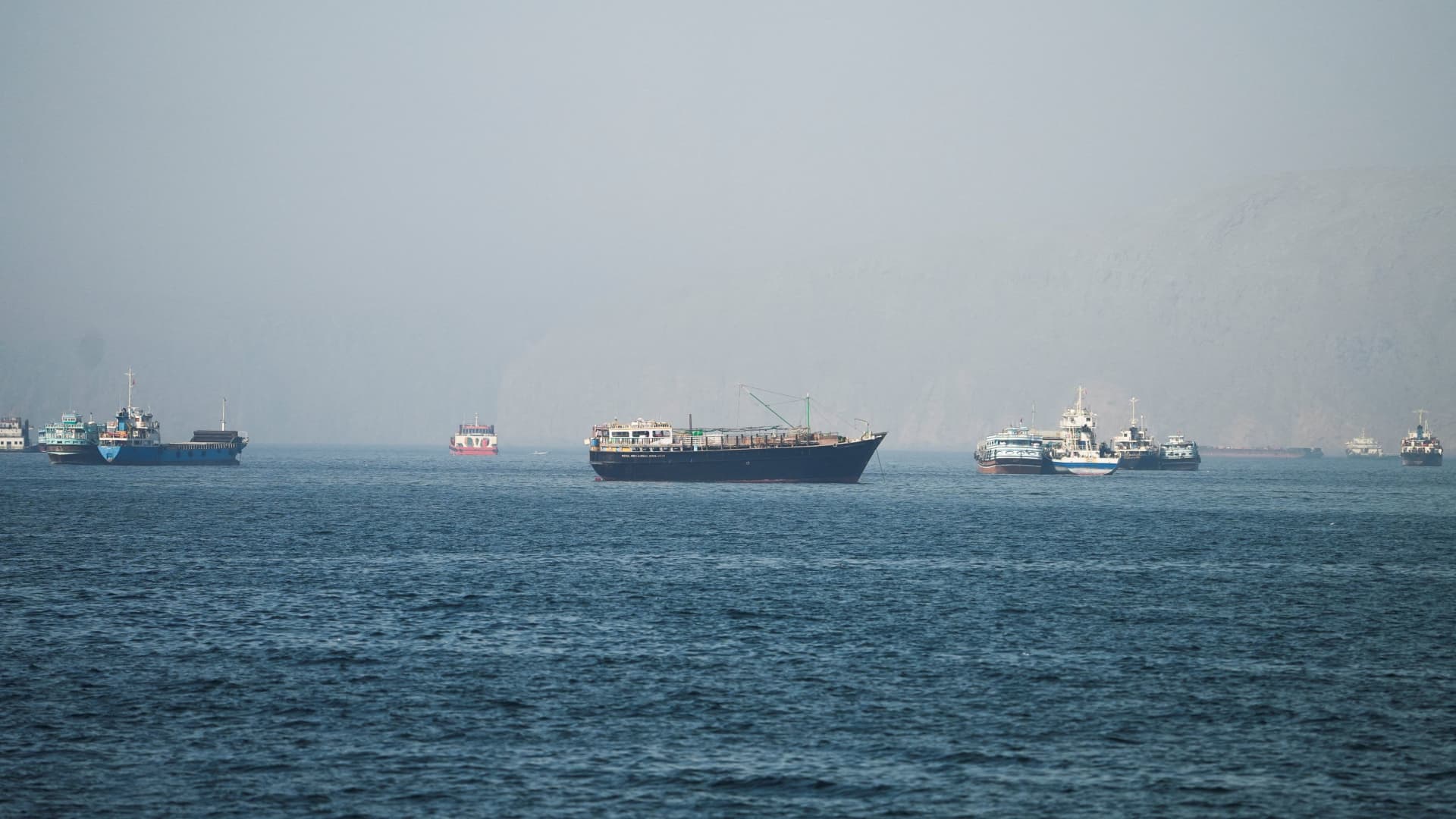
Around 40 ships stranded in the Persian Gulf have successfully navigated through the Hormuz Strait over the past three weeks, following quiet coordination with the U.S. Navy. According to reports from Lloyd's List Intelligence, ship owners are submitting their crossing plans to the maritime cooperation and guidance group in Bahrain.
Richard Mead, editor of Lloyd's List, reported that the U.S. Navy provides limited assurances regarding countering potential threats against commercial vessels, but does not offer direct escort. Mead confirmed that crossing decisions remain in the hands of ship operators, who have been informed by industry operators that there is no central coordination.
Details of the Incident
Despite the successful exit of these ships, traffic through the Hormuz Strait remains significantly lower than pre-conflict levels. Traffic hit its lowest point during the U.S.-Iranian conflict last May, reflecting the ongoing tensions' impact on maritime trade.
Earlier this month, former U.S. President Donald Trump halted a short-term naval mission known as the Freedom Project, which aimed to facilitate the movement of ships through the strait. The stranded ships in the Gulf face the risk of attacks from Iranian forces unless they obtain Tehran's approval to cross a designated route, and they may also face U.S. sanctions if they cooperate with Iran.
Background & Context
Clashes between U.S. and Iranian forces have renewed in the Hormuz region, leading to a temporary spike in oil prices amid investor fears of a collapse of the ceasefire and a return to full-scale war. The U.S. Central Command reported that gunfire exchanges began after Iran launched three drones toward “civilian mariners” in territorial waters.
The U.S. forces responded by shooting down these drones and conducting defensive strikes against Iranian forces on Qeshm Island. In turn, Iran launched ballistic missiles toward Kuwait and Bahrain, which either fell into the sea or were intercepted. It was also reported that Iran targeted Kuwait International Airport, resulting in one death and several injuries, according to the Kuwaiti Foreign Ministry.
Impact & Consequences
These events necessitate U.S. action against Iranian attacks on commercial vessels. Secretary of State Marco Rubio noted that Iranian drones are not precise and could hit any part of a ship, posing an environmental risk. Rubio emphasized that if Iran does not fire upon these vessels, the U.S. will not fire, but there must be a reaction.
These developments indicate a rise in tensions in the Gulf region, where fears of military escalation are growing, potentially affecting regional stability and global oil markets.
Regional Significance
These events directly impact Arab countries bordering the Gulf, as many of these nations rely on maritime trade as a primary source of revenue. Any escalation in the conflict could lead to increased oil prices, affecting the Arab economy as a whole.
In conclusion, the Gulf region remains under pressure from ongoing tensions between the United States and Iran, requiring Arab nations to take measures to protect their economic and security interests.