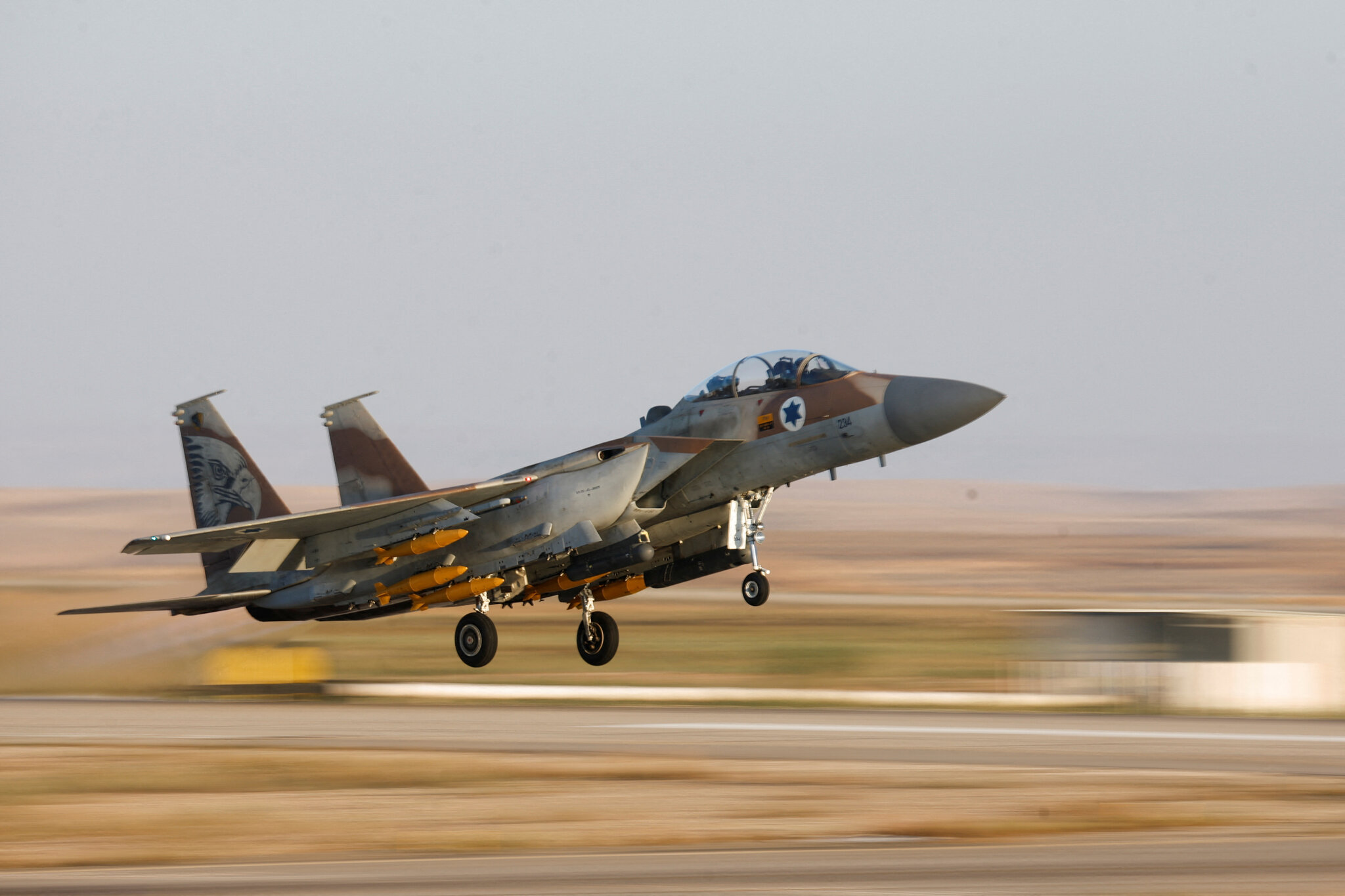
The French government has officially announced that it will not allow Israel to use its airspace for transporting American weapons, a move that reflects a firm stance towards the increasing tensions in the region. This decision comes at a time when crises in the Middle East are escalating, complicating the relationship between France and Israel.
This step is seen as a reaction to Israeli policies in the Palestinian territories, where international criticism of military force against civilians has intensified. The decision has elicited mixed reactions in political and media circles, with some viewing it as a positive step towards enhancing human rights, while others see it as an unjustified interference in the affairs of other nations.
Details of the Decision
In an official statement, the French Foreign Ministry confirmed that the decision came after a comprehensive review of Israeli policies in the region, indicating that the use of French airspace for transporting American weapons could conflict with France's international obligations. The ministry added that this decision reflects France's commitment to peace and stability in the Middle East.
This decision comes at a critical time, as tensions between Israel and Palestinian factions are rising, increasing the need for major powers to take firm stances. This has raised expectations that other countries may adopt similar positions towards Israel, potentially affecting the balance of power in the region.
Background & Context
Historically, France has been one of the countries that supported Israel in many instances, but in recent years, this dynamic has changed significantly. Relations between Paris and Tel Aviv have deteriorated due to Israeli policies towards the Palestinians, leading to increased criticism from the French government.
This step is part of France's broader policy to promote human rights and democracy in the region. The French government has shown an increasing interest in the Palestinian issue, calling for the resumption of negotiations between the Israeli and Palestinian sides.
Impact & Consequences
This decision could have wide-ranging effects on international relations in the region. It may lead to increased pressure on Israel from other European countries, potentially altering its military and political strategies. This decision could also encourage other countries to adopt firmer stances towards Israel.
On the other hand, this decision may escalate tensions between Israel and European countries, as Tel Aviv may view this decision as interference in its internal affairs. Consequently, this decision could contribute to complicating the political landscape in the Middle East.
Regional Significance
This decision represents a turning point in relations between European countries and Israel, and it may directly impact the situation in the Palestinian territories. With increasing international pressure, Israel may find itself compelled to reassess its policies towards the Palestinians.
Moreover, this decision could encourage Arab countries to strengthen their positions on the Palestinian issue, potentially leading to greater cooperation among Arab states in facing Israeli policies. Ultimately, this decision represents a step towards enhancing the rights of Palestinians on the international stage.