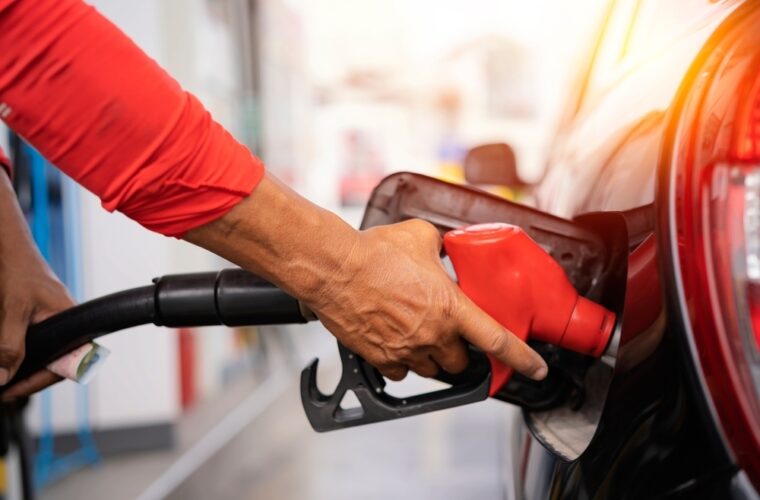
Fuel prices, especially for gasoline and diesel, have experienced a notable increase in April, raising concerns among consumers in many countries. This rise comes at a sensitive time as the cost of living continues to escalate globally, putting additional pressure on families and businesses.
According to reports, gasoline prices have risen by as much as 10% in some markets, while diesel prices have increased by up to 8%. These increases occur amid ongoing geopolitical tensions and their impact on global oil markets, alongside rising demand as the summer travel season approaches.
Event Details
In the United States, for example, gasoline prices have recorded a significant rise, surpassing the national average of $4 per gallon, which represents a substantial increase compared to prices during the same period last year. In Europe, the situation is similar, with prices rising markedly in many countries, affecting the budgets of families and businesses.
The rise in fuel prices has not been limited to gasoline and diesel; it has also included natural gas prices, further increasing the challenges faced by consumers amid rising energy costs overall.
Background & Context
Historically, fuel prices have experienced significant fluctuations due to various factors, including geopolitical tensions, economic factors, and changes in supply and demand. For instance, political crises in some oil-producing countries have led to production cuts, negatively impacting global prices.
The COVID-19 pandemic also had a significant impact on oil markets, leading to a sharp decline in demand at the beginning of the pandemic. However, as the global economy began to recover, demand started to rise again, contributing to the increase in prices.
Impact & Consequences
The rise in fuel prices has far-reaching effects on the global economy. Increased transportation costs lead to higher prices for goods and services, negatively impacting consumers' purchasing power. Additionally, small and medium-sized enterprises may face difficulties adapting to these increases, potentially leading to business closures or layoffs.
Moreover, rising fuel prices may contribute to increased inflation, making it difficult for governments to achieve economic stability. In this context, governments may need to take measures to mitigate the effects of these increases, such as providing financial support to consumers or imposing price controls.
Regional Significance
In the Arab region, where many countries rely on oil exports, rising prices may lead to increased government revenues, providing countries with the opportunity to invest these revenues in development projects. However, the rise in prices may negatively impact consumers, especially in countries facing economic crises.
Furthermore, oil-importing countries may face greater challenges, as energy costs will significantly increase, affecting their public budgets. Ultimately, this situation requires Arab governments to take proactive steps to address these challenges.