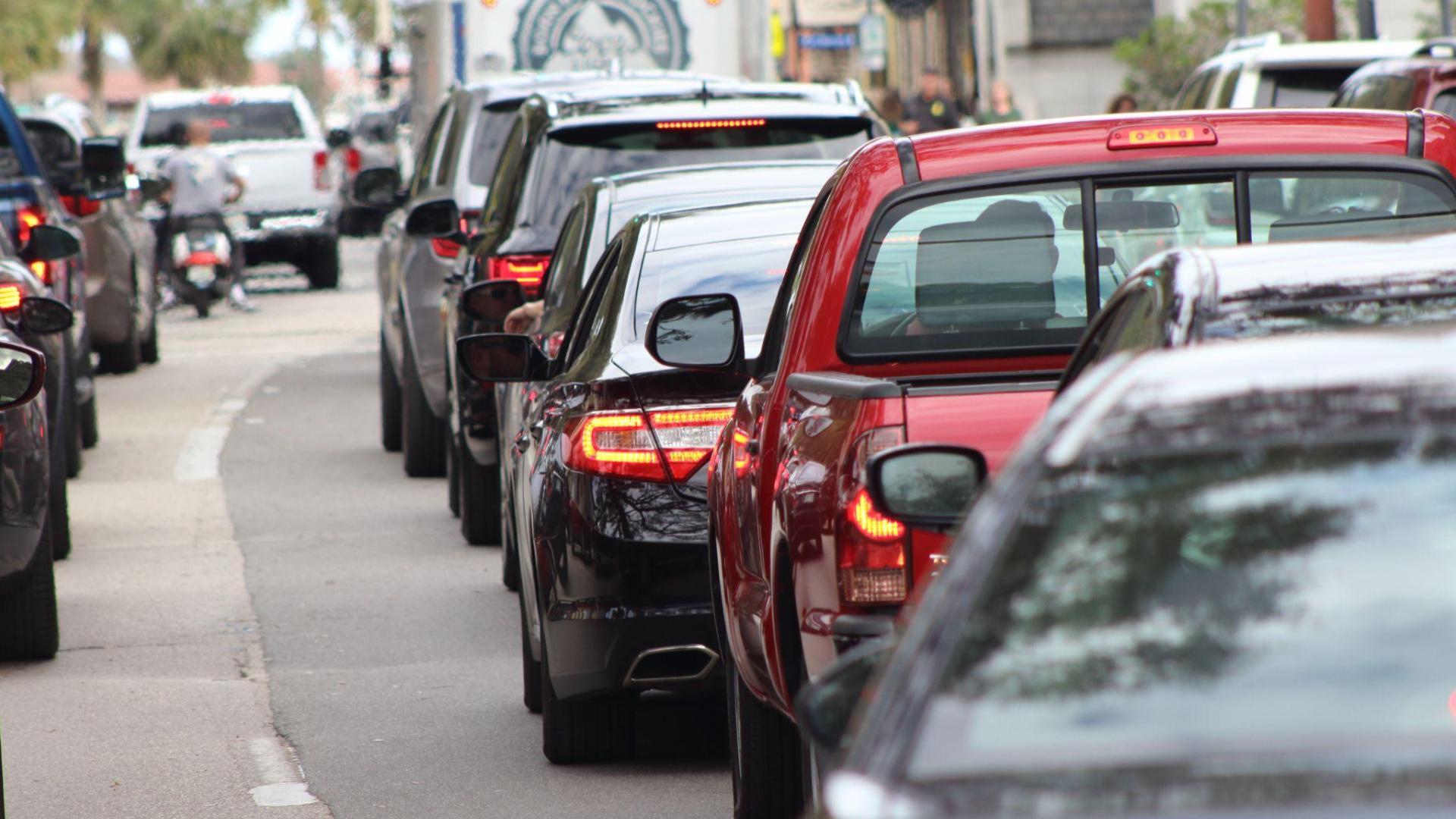
Gas prices in global markets are experiencing a noticeable increase, causing anxiety among drivers and vehicle owners. Economists have indicated that the overall economic situation feels stagnant, prompting individuals to take more conscious steps in managing their budgets.
In light of these circumstances, many drivers are reassessing their fuel-related expenses, as gas is considered a fundamental element in family budgets. With prices nearing levels that could be deemed a "psychological barrier," consumer behavior is expected to be significantly affected.
Event Details
Reports indicate that gas prices may reach record levels in some areas, placing additional pressure on families already struggling with rising living costs. Experts have confirmed that this increase may drive some drivers to change their driving habits or consider alternative options such as using public transportation.
There are also concerns that the continued rise in prices could lead to a decline in fuel demand, which may impact the market as a whole. One expert noted that "the economy seems a bit gloomy at the moment," reflecting a state of uncertainty among consumers.
Background & Context
Historically, gas prices have experienced significant fluctuations due to various factors, including geopolitical crises, disruptions in oil markets, and changes in global demand. In recent years, economic crises have increased pressure on energy prices, affecting individuals' purchasing power.
Under these conditions, individuals are seeking to adopt more conscious financial strategies, with some opting to reduce their use of private vehicles or look for more fuel-efficient alternatives. These changes reflect a shift in consumer behavior in response to economic challenges.
Impact & Consequences
The rise in gas prices is expected to have widespread effects on the economy. This could lead to increased transportation costs, affecting the prices of goods and services in markets. Families that heavily rely on cars may find themselves forced to cut expenses in other areas.
Moreover, this situation may increase pressure on governments to take measures to support affected families. Such measures could include providing financial assistance or subsidizing fuel prices, which may impact national budgets.
Regional Significance
In the Arab region, where fuel prices are a significant factor in the economy, rising gas prices could exacerbate economic conditions in some countries. Many Arab nations rely on oil exports as a primary source of revenue, making them sensitive to fluctuations in global prices.
Additionally, rising gas prices may impact sustainable development plans in the region, as governments may need to reassess their economic strategies to address new challenges. Ultimately, the current situation requires both individuals and governments to think of innovative solutions to adapt to these changing circumstances.