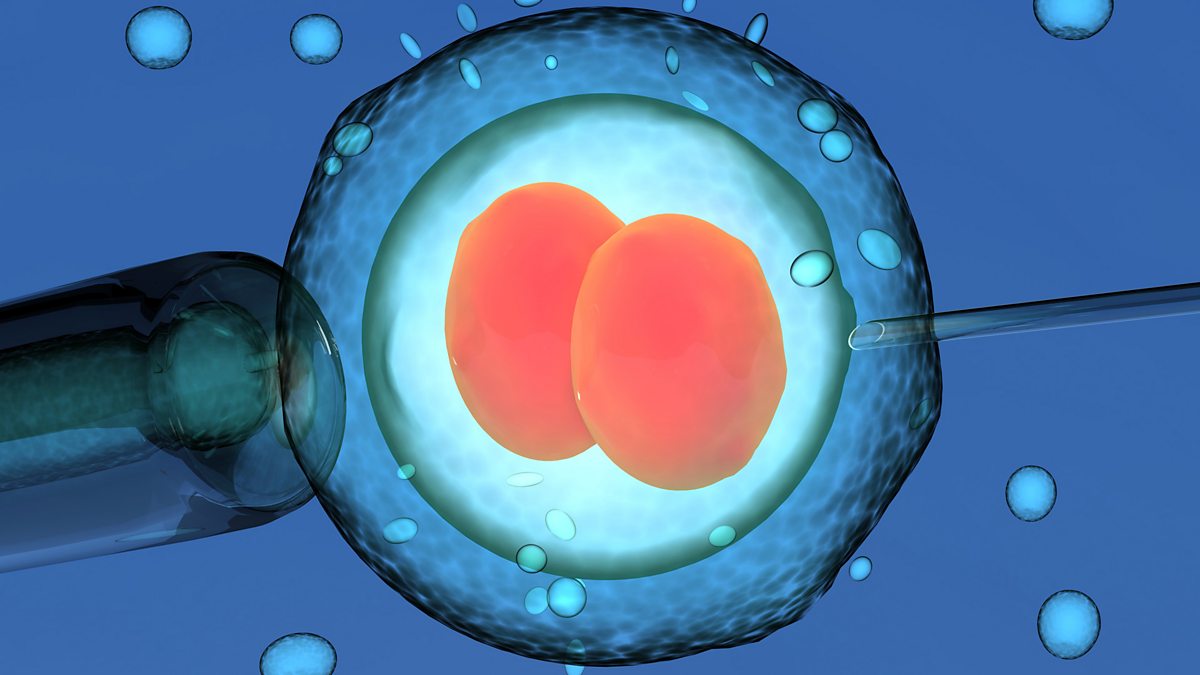
American companies like Preventive and Origin Genomics are pushing the boundaries of biotechnology by developing gene editing techniques in embryos. These initiatives come at a time when fears are growing about the potential return of eugenics, an old concept aimed at improving human traits through genetic manipulation.
These technologies are considered controversial, as many health and ethical organizations warn of the potential consequences. While developers aim to eliminate genetic diseases, concerns arise about their use for unethical purposes, such as enhancing mental or physical abilities.
Details of Gene Editing Technologies
The mentioned companies are striving to develop advanced gene editing techniques that allow for changing the genetic makeup of embryos before birth. These processes include using technologies like CRISPR, which enables scientists to cut and modify DNA with high precision. However, these techniques are still in their early stages and face significant legal and ethical challenges.
Although some countries have permitted limited trials, many governments worldwide have imposed bans on these practices, reflecting concerns that these technologies could lead to greater social disparity, where only the wealthy can access genetic enhancements for their children.
Background & Context
Historically, the concept of eugenics dates back to the early 20th century, where it was used in some countries to justify racist policies. Today, with technological advancements, it has become possible to make genetic modifications more accurately, raising questions about ethics and justice. In recent years, there has been an increase in discussions surrounding embryo rights and interventions in human genes.
In 2018, a Chinese scientist sparked widespread controversy after announcing the birth of the first genetically edited twins, raising global concerns about the lack of a clear regulatory framework to address these technologies, prompting many scientists to call for strict ethical standards.
Impact & Consequences
If the development of these technologies is allowed to proceed unchecked, it could have far-reaching effects on society. The gap between social classes may widen, as only the wealthy could enhance their children's genes, creating a new form of discrimination. There are also concerns that these technologies could lead to a loss of genetic diversity, making humanity more susceptible to diseases.
Furthermore, the use of these technologies to enhance mental or physical abilities may raise questions about human identity. Will we be able to define what makes us human if we start modifying our fundamental traits? These questions open the door to deep philosophical and ethical discussions.
Regional Significance
The implications of gene editing technology extend beyond individual nations, affecting global health and social structures. As countries grapple with these advancements, international cooperation and dialogue will be essential to establish guidelines that protect human rights while fostering scientific progress.
In conclusion, the ongoing developments in gene editing technology present both opportunities and challenges. As society navigates these uncharted waters, it is crucial to engage in thoughtful discussions about the ethical implications and potential consequences for future generations.