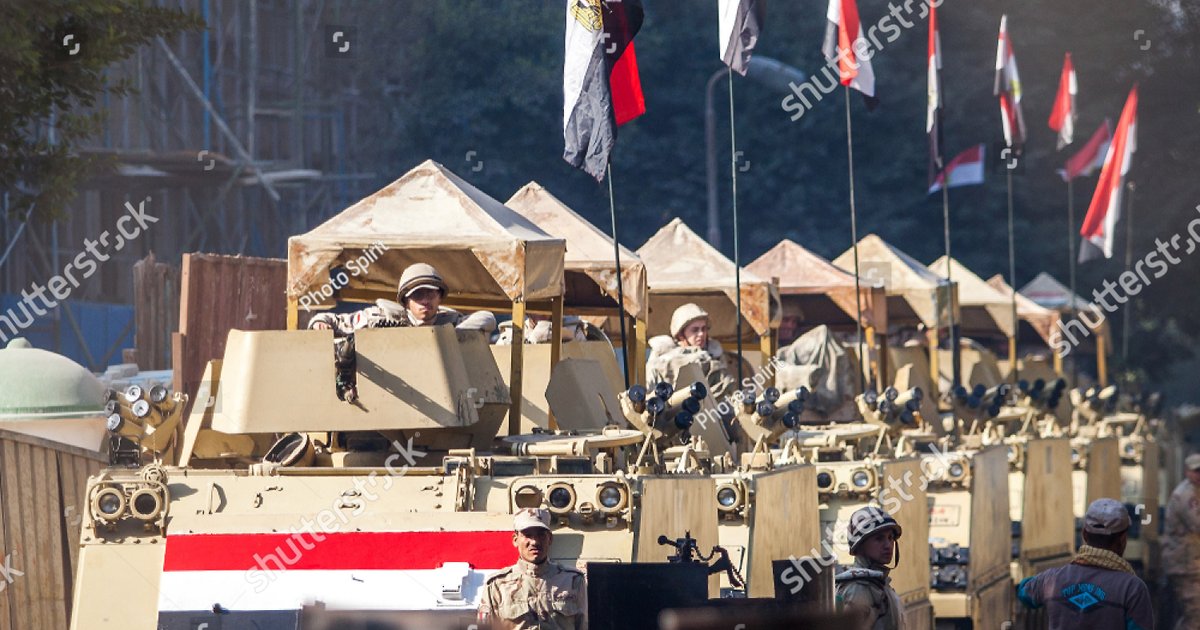
General Ashraf Salem Zahir, the Commander-in-Chief of the Armed Forces and Minister of Defense, met with several fighters from the main branches of the Egyptian Armed Forces. This meeting comes at a time when security challenges in the region are increasing, as the Egyptian army seeks to enhance its military capabilities and efficiency.
During the meeting, General Zahir emphasized the importance of the fighters' role in maintaining the security and stability of the homeland, praising their sacrifices and ongoing efforts in facing challenges. He also pointed out the necessity of continuing to develop military skills and ongoing training to ensure the readiness of the armed forces.
Details of the Event
The meeting was part of a series of events aimed at boosting the morale of the soldiers, where opinions and experiences were exchanged among the fighters. The discussion covered many topics related to training and qualification, in addition to the challenges currently facing the armed forces.
Some successes achieved by the armed forces in recent years were also reviewed, reflecting the efforts made to modernize and develop military capabilities. General Zahir confirmed that these successes are merely the result of cooperation and coordination among all branches.
Background & Context
Historically, the Egyptian Armed Forces have witnessed many changes and updates in their structure and operations, especially after the January 25, 2011 revolution. These changes have contributed to enhancing the army's role in protecting Egyptian national security, especially in light of increasing regional challenges.
The Egyptian Armed Forces are considered one of the largest armies in the region, playing a pivotal role in maintaining stability in Egypt. In recent years, there has been an increase in military cooperation with other countries, reflecting Egypt's importance as a regional power.
Impact & Consequences
The meeting between General Zahir and the fighters from the main branches reflects the military leadership's commitment to enhancing morale and combat readiness. Such meetings can have a positive impact on the troops' performance in the field, as they boost trust and loyalty between soldiers and their leadership.
Moreover, enhancing military capabilities and ongoing training can contribute to improving the effectiveness of the armed forces in facing security challenges, whether internal or external. Given the changing conditions in the region, it becomes essential for the armed forces to be prepared to confront any potential threats.
Regional Significance
Egypt is a key player in regional politics and security, with its military movements impacting the stability of the region. Strengthening the capabilities of the Egyptian Armed Forces can have wide-ranging effects on neighboring countries, as it may contribute to enhancing regional security.
As many Arab countries face security challenges, the strength of the Egyptian army can be an important factor in achieving stability. Military cooperation with other countries in the region can help build strategic alliances that enhance collective security.
In conclusion, the meeting between General Zahir and the fighters from the main branches represents an important step in boosting the morale and combat readiness of the Egyptian Armed Forces, reflecting the military leadership's commitment to developing the army's capabilities in facing future challenges.