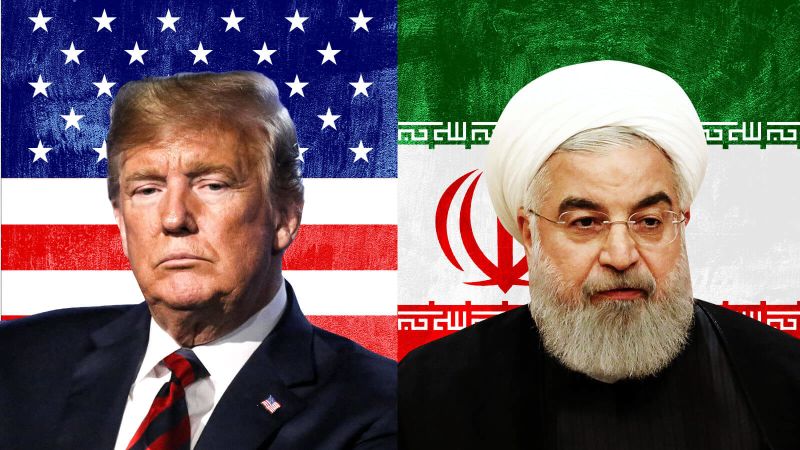
In a notable shift, German Chancellor Olaf Scholz directed sharp criticisms at U.S. President Donald Trump, reflecting the growing divide between Washington and Berlin amid escalating tensions concerning Iran. This criticism emerged during an open event, raising questions about the reasons behind this change in stance.
During the event, Scholz pointed out that current U.S. policies towards Iran could exacerbate conditions in the region, emphasizing the necessity for a diplomatic approach to resolve crises. He also criticized Trump for his non-compliance with the Iranian nuclear agreement, which he deemed an unwise move.
Details of the Event
Scholz's statements come at a sensitive time, as Iran continues to enhance its nuclear capabilities amidst rising tensions with the United States. The German government has expressed concern over the potential for military escalation in the region, calling for comprehensive dialogue among the involved parties.
This public criticism from the German Chancellor marks a precedent in the relations between the two countries, as Berlin has historically been a close ally of Washington. However, the current stance reflects a divergence in views on how to address security threats in the Middle East.
Background & Context
Historically, U.S.-German relations have been based on close cooperation on various issues, including security and defense. However, recent tensions between the two nations can be traced back to Trump's withdrawal from the Iranian nuclear agreement in 2018, which Berlin considered an irresponsible step.
Furthermore, the escalation of Iranian nuclear activities, along with Tehran's threats to Western interests in the region, has complicated relations between Washington and Berlin. Germany has warned that any military escalation could have dire consequences for regional and international security.
Impact & Consequences
Scholz's public criticisms could affect future relations between Germany and the United States. As the gap in policies widens, Berlin may find itself compelled to reassess its security and diplomatic strategies in the region.
This stance may also open the door for other countries in the European Union to adopt similar positions, potentially leading to greater divergence in European policies towards the United States. At the same time, Iran might exploit this gap to strengthen its position in international negotiations.
Regional Significance
U.S.-German relations are pivotal in shaping Western policies towards the Middle East. Therefore, any deterioration in these relations could directly impact conditions in the region, especially amidst the ongoing tensions between Iran and Arab states.
The escalation of positions could increase tensions between Iran and Arab countries, further enhancing instability in the region. Additionally, any military escalation could negatively affect regional security and increase the suffering of Arab populations.
In conclusion, it seems that the public criticisms from the German Chancellor reflect a shift in the political dynamics between Washington and Berlin, raising questions about the future of international relations amid rising tensions.