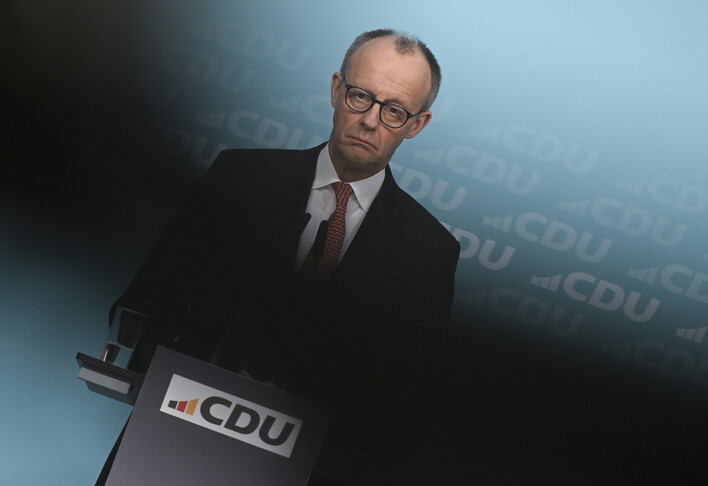
A recent poll published by Bild reveals that German Chancellor Olaf Scholz has dropped from 18th to 20th place in the popularity rankings of German politicians. This decline reflects a waning trust in his leadership amid growing economic and political challenges.
The results indicate that Scholz is struggling to gain support from citizens, facing increasing criticism over the economic policies implemented by his government. The poll highlighted that many Germans are dissatisfied with the government's performance, contributing to his declining popularity.
Details of the Event
These results come at a sensitive time for the German government, as the country faces significant economic challenges, including rising living costs and increasing inflation. Some reports have shown that citizens are concerned about the impact of these conditions on their daily lives.
Additionally, Scholz is facing criticism from opposition parties, which accuse him of being unable to manage crises effectively. Some analysts have pointed out that this drop in popularity could affect the government's ability to implement its future policies.
Background & Context
Historically, Germany has seen significant changes in its political landscape, with previous governments facing similar challenges. In recent years, there have been increasing calls for economic and social reforms, which have intensified pressure on the current government.
It is noteworthy that Scholz took office in December 2021, following elections in which the Social Democratic Party won. However, the challenges he has faced since taking office have been greater than many expected, significantly impacting his popularity.
Impact & Consequences
Scholz's drop in popularity could lead to significant political repercussions, potentially affecting the stability of the current government. If this trend continues, pressure may increase on Scholz to resign or to reshape the government.
Moreover, this decline could strengthen the position of opposition parties, increasing their chances in the upcoming elections. This could radically change the political landscape in Germany and influence future policies.
Regional Significance
Germany is considered one of the key partners for many Arab countries, playing an important role in the region's politics and economy. Scholz's declining popularity could impact bilateral relations, especially in areas of trade and investment.
Furthermore, any political changes in Germany could affect European policies towards Arab issues, such as migration and security. Therefore, monitoring the developments in the political situation in Germany is crucial for Arab countries.
In conclusion, the decline in the German Chancellor's popularity reflects the significant challenges facing his government and indicates the urgent need to take steps to address the economic and social issues affecting citizens.