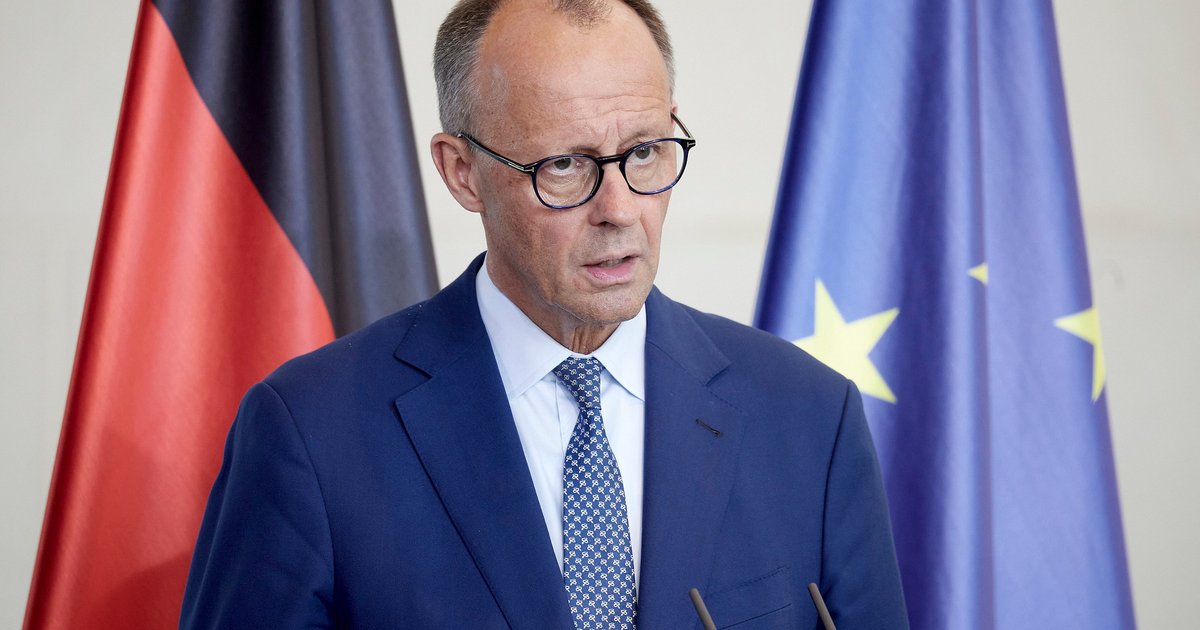
German Chancellor Friedrich Merz's statements regarding his desire for 80% of the Syrians residing in Germany to leave have sparked extensive debate, particularly given the current circumstances faced by these refugees. These comments were made during the visit of Syrian President Ahmad al-Shara to Berlin, intensifying discussions about the future of Syrians in Germany.
This call is deemed unrealistic by many, coinciding with severe criticism from within the Social Democratic Party, a coalition partner in the government, which argued that such statements do not reflect the complex reality experienced by Syrians in the country.
Details of the Event
During President Ahmad al-Shara's visit to Berlin, Chancellor Merz expressed his hope that 80% of the Syrians living in Germany would depart, eliciting mixed reactions. While some viewed these remarks as reflecting a specific political desire, others saw them as indicative of a lack of genuine understanding of the reality faced by Syrian refugees.
These statements come at a sensitive time, as Syrians continue to suffer the repercussions of the ongoing conflict in their homeland, making return extremely challenging. Additionally, the economic and social situation in Syria remains unstable, further complicating the issue of repatriation.
Background & Context
Since the onset of the conflict in Syria in 2011, millions of Syrians have fled to various countries, including Germany, which has welcomed a significant number of them. However, the situation in Syria remains fragile, with ongoing armed conflicts and difficult economic conditions affecting the lives of its citizens.
Germany is considered one of the European countries that has taken in the largest number of Syrian refugees, and the German government has provided support in various areas, including education and healthcare. Nevertheless, statements like those made by Merz could negatively impact the psyche of refugees and increase feelings of instability.
Impact & Consequences
Merz's remarks may increase pressure on the German government from far-right parties advocating for a reduction in the number of refugees. These statements could also affect relations between Germany and Syria, particularly given the current political climate.
Moreover, such comments may exacerbate feelings of anxiety and fear among Syrian refugees, potentially prompting some to consider returning to Syria despite the risks. This could lead to negative repercussions for social stability in Germany.
Regional Significance
Merz's statements are part of a broader discussion surrounding refugee issues in the region. Many Arab countries face similar challenges regarding refugees, making it essential to seek comprehensive and sustainable solutions.
Additionally, these remarks may influence the stance of Arab countries towards Syrian refugees, as some nations may feel pressured to accept more or provide support. Consequently, the discussion about the future of Syrians in Germany could have far-reaching implications for the entire region.
In conclusion, the issue of Syrian refugees returning to their homeland remains a complex topic that requires a deep understanding of the current reality. Political statements must take into account the humanitarian and economic conditions faced by these refugees.