The International Energy Agency has warned that developing countries will be the most affected by the energy crisis resulting from the war on Iran, as prices for oil, gas, and food have surged, exacerbating inflation and threatening a sharp slowdown in growth along with increased external debt burdens.
In an interview with the French newspaper "Le Figaro," the agency's executive director, Fatih Birol, explained that countries in Asia that are heavily reliant on imports, such as South Korea and Japan, along with Indonesia, the Philippines, Vietnam, Pakistan, and Bangladesh, will be at the forefront of those affected. He also noted that African nations will face severe pressures due to their tight financial margins.
Current Situation Overview
Birol described the current situation as a triple shock involving oil, gas, and food, asserting that the current crisis is more severe than the crises of 1973, 1979, and 2022 combined. He emphasized that reopening the Strait of Hormuz remains "the only real solution" to halt the worsening disruption in energy markets.
He added that the war is no longer affecting just oil and gas; its impact has extended to fertilizers, petrochemicals, and helium, touching one of the main arteries of the global economy. He warned that the continuation of this situation would impose widespread pressures on the world's economies, particularly the most vulnerable ones.
Background & Context
Birol reported that member countries of the International Energy Agency have already begun a gradual release of strategic oil reserves, with Asia-Pacific nations being the first to start withdrawals due to their early exposure to the shock. This process is expected to continue in the coming weeks in Europe and North America.
He pointed out that the withdrawal of **400 million barrels**, the largest operation of its kind in history, represents only one-fifth of the available reserves, indicating that the agency and its members have additional room to maneuver if necessary. However, he stressed that these measures only alleviate the crisis temporarily, while the actual solution lies in reopening the Strait of Hormuz.
Impact & Consequences
Birol warned that April will be worse than March if the strait remains closed, noting that Gulf Arab states are now producing only slightly more than half the oil they were extracting before the war, while natural gas exports from the region have halted, signaling greater pressure on electricity and prices in Europe in the coming weeks.
He also clarified that returning supplies to pre-war levels will not be swift even if the strait is reopened, as **75 energy infrastructures** have been attacked and damaged, with more than a third suffering severe damage. This will make the reactivation of this infrastructure a lengthy process.
Regional Significance
Birol believes that Saudi Arabia may be relatively quicker in restoring its production capacity due to its engineering efficiencies and financial resources. However, the situation appears bleaker in other countries like Iraq, which has lost two-thirds of its oil revenues and is nearing an economic paralysis, affecting around **15 million** people who rely on oil and gas revenues for their salaries.
Despite this grim assessment, Birol noted that the crisis could drive structural shifts in the global energy system, similar to what occurred after the shocks of the 1970s, by accelerating investment in renewable energy, extending the operational lifespan of existing nuclear plants, and reviving momentum for building small nuclear reactors.
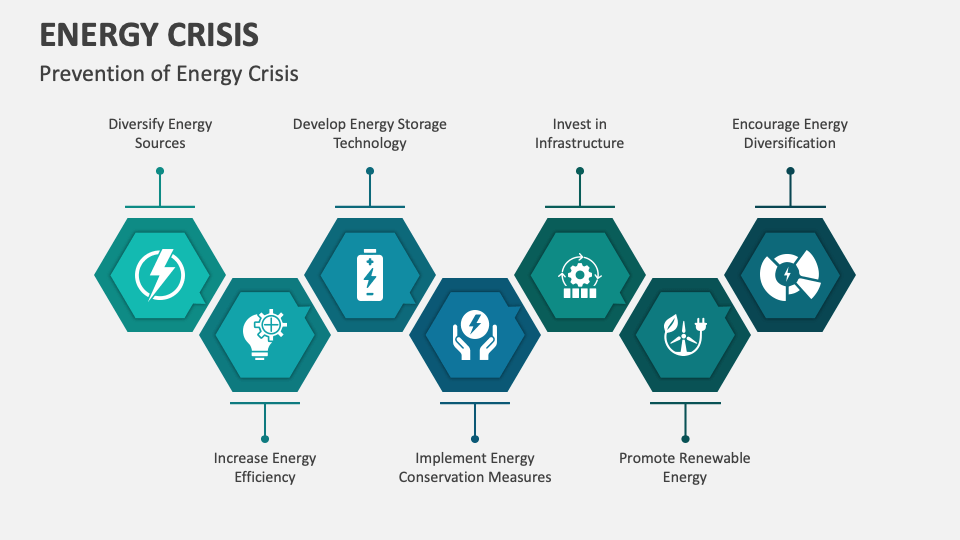
In the short term, he urged countries to use energy cautiously, through consumption rationalization and efficiency improvements, alongside continuing to support the growth of renewable energy and diversifying imports from various trading partners.