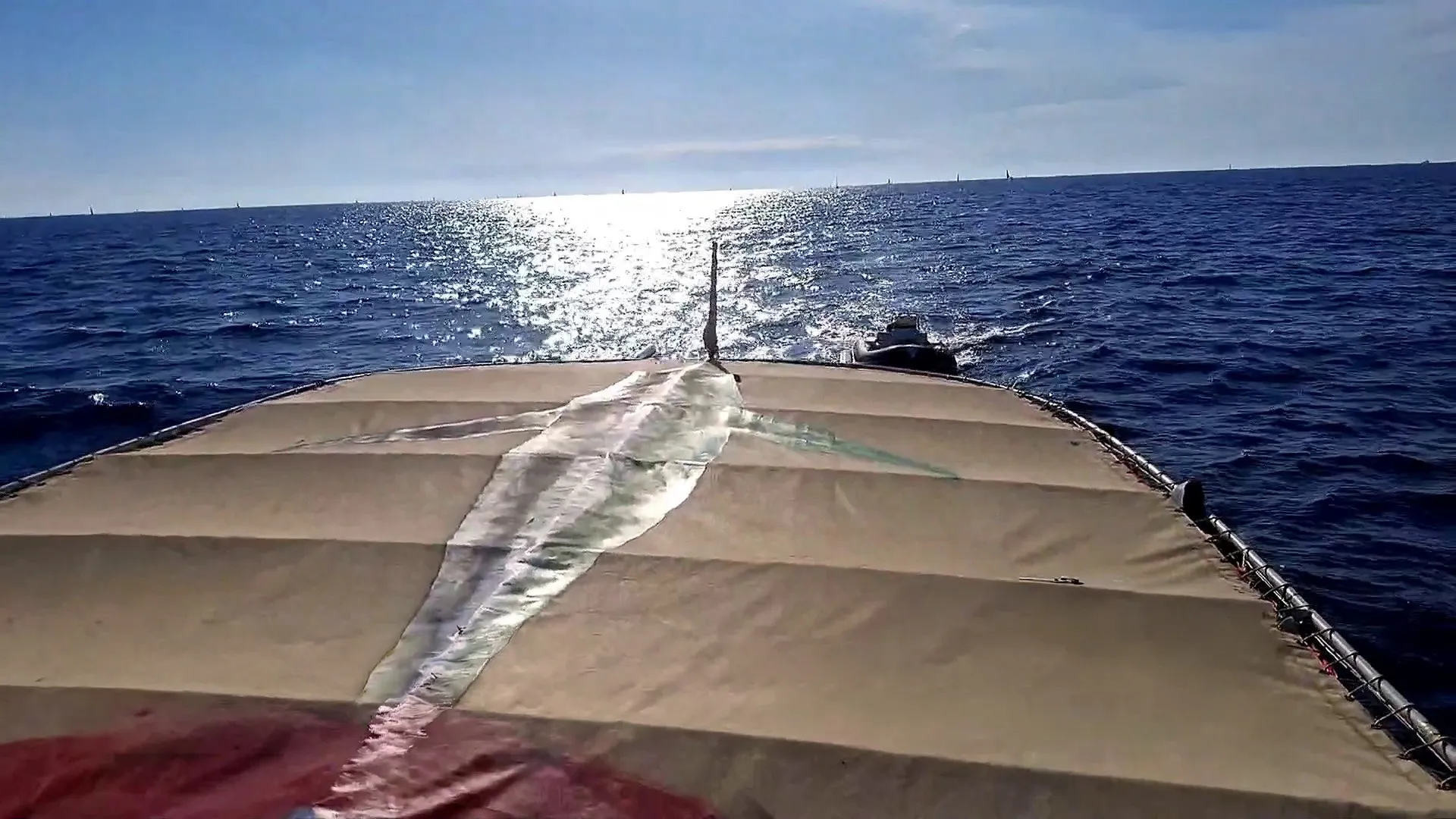
Today, the ships of the 'Global Fleet of Resilience' set sail from the Mediterranean, embarking on a journey that carries a humanitarian mission and a political message aimed at shedding light on the crisis in the besieged Gaza Strip. The fleet consists of 56 ships, laden with humanitarian aid, in an effort to break the blockade that has been in place for years.
After more than 24 hours since the journey began, the ships continue to sail in a coordinated manner, with some vessels visible on the horizon after departing from the shores of Sicily, specifically from the port of Augusta. This scene reflects extensive logistical coordination among the participants, who aim to deliver aid to the region.
Event Details
The fleet includes around 1,000 participants from approximately 70 countries, carrying food supplies and educational materials aimed at children in Gaza. The participants emphasize that their goal extends beyond merely delivering aid; they seek to break the blockade imposed on the region and open a permanent humanitarian corridor to ensure the flow of relief.
This initiative comes at a critical time, as reports indicate that recent geopolitical developments have pushed the Gaza issue to the margins of international attention. Through this movement, the participants aim to bring the issue back to the forefront of political and media discourse.
Background & Context
This journey is part of the 'Spring Mission 2026', which commenced on April 12 from the city of Barcelona, involving activists and representatives from civil society organizations worldwide. This initiative is the second of its kind, following a previous attempt in September 2025, which ended with the ships being attacked by Israeli forces in international waters and hundreds of activists being detained.
The fleet's movement occurs against a backdrop of a complex humanitarian reality in Gaza, where the blockade has persisted since 2007. The ongoing war since October 2023 has caused widespread destruction of infrastructure and an unprecedented humanitarian crisis, with severe shortages of food, medicine, and fuel, alongside significant damage to the health sector and hospitals.
Impact & Consequences
The ships face political and security challenges during their journey, with participants hoping that their collective presence will succeed in breaking the isolation imposed on Gaza. The fleet aims to have a positive impact on the humanitarian situation in the region by highlighting the ongoing suffering of the population.
If the fleet successfully reaches Gaza, it could represent a turning point in international efforts to support the region. This movement may also bring the Palestinian issue back to the forefront of international interest, potentially leading to new diplomatic initiatives.
Regional Significance
This movement represents significant moral support for Palestinians in Gaza and reflects the international community's solidarity with their causes. It also highlights the challenges faced by Arab countries in supporting the Palestinian issue amid complex geopolitical circumstances.
Ultimately, hope remains that the 'Global Fleet of Resilience' will achieve its humanitarian and political objectives, contributing to improving the situation in Gaza and restoring the Palestinian issue to the forefront of international attention.