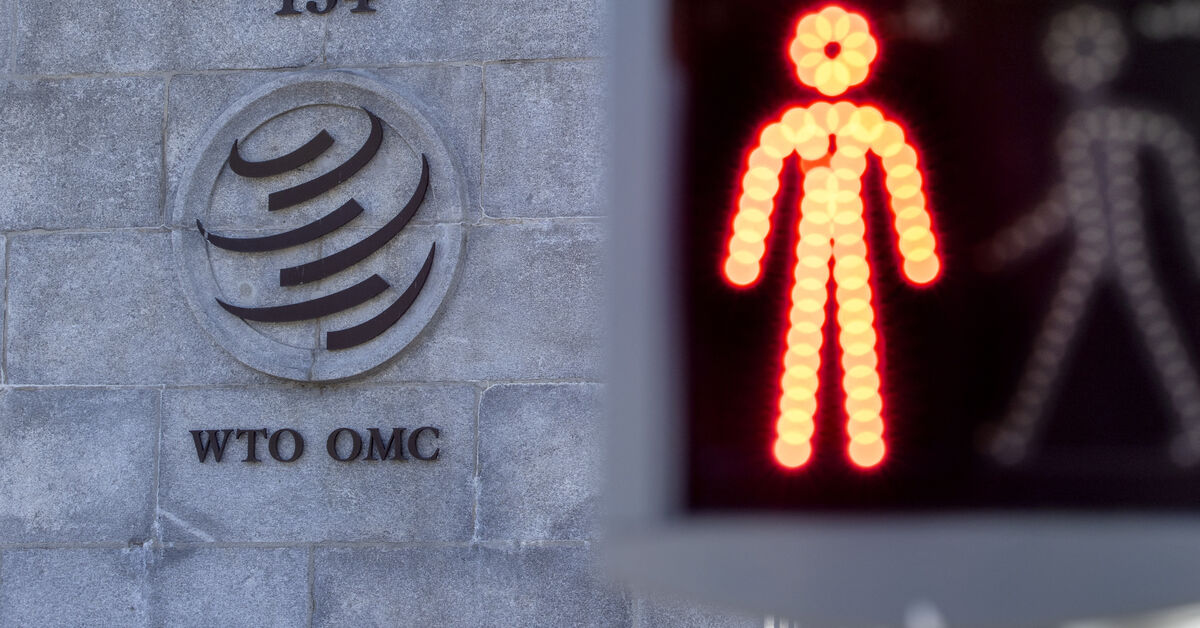
Important talks on reforming the World Trade Organization (WTO) are being held in Yaoundé, the capital of Cameroon, where trade ministers from various countries face significant challenges in reaching consensus, particularly due to substantial gaps between the United States and India on one side and the rest of the countries on the other. These meetings are set to last four days, during a time when the world is experiencing unprecedented trade disruptions resulting from ongoing conflicts in the Middle East and their impact on supply chains and energy prices.
These discussions come at a critical juncture as WTO member states seek effective solutions to the challenges facing global trade, including rising tariffs and shipping disruptions. Diplomats have indicated that the current negotiations reflect deep divisions among members, threatening the organization’s ability to adapt to changing conditions in the global economy.
Event Details and Current Challenges
Cameroon is hosting these meetings at a time of significant shifts in international trade, where tariffs between major countries have increased, negatively affecting trade flows. Observers have noted that the United States and India represent a major obstacle in these negotiations, as both refuse to make concessions that could lead to a consensus with other nations.
The issues on the table include reforming the dispute settlement system, which is considered one of the core pillars of the WTO. Other topics under discussion include agricultural subsidies and the protection of local industries, which have sparked widespread debate among developed and developing countries.
Background & Context
The World Trade Organization was established in 1995 with the aim of promoting global trade by establishing clear and transparent rules. However, in recent years, the organization has seen a decline in its effectiveness, as trade disputes among major countries have escalated, leading to increased tariffs and worsening economic crises.
The talks in Cameroon are part of ongoing efforts to rebuild trust among member states, but they face significant challenges due to political and economic divisions. Additionally, ongoing conflicts in the Middle East have further complicated the situation, affecting energy prices and global supply chains.
Impact & Consequences
If countries fail to reach an agreement during these talks, it could exacerbate global economic crises. Tariffs may increase, affecting prices and raising the costs of goods and services. The continued gaps between nations could lead to the disintegration of the global trading system, threatening economic stability.
These talks also serve as a test of the WTO's ability to adapt to new challenges. If countries succeed in reaching an agreement, it could enhance the organization’s credibility and restore confidence in the international trading system. Conversely, failure could lead to further chaos in global markets.
Regional Significance
Arab countries are directly affected by developments in the WTO, as many of these nations rely on international trade to bolster their economies. Any increase in tariffs or disintegration of the trading system could negatively impact their exports and imports, increasing economic pressures.
Furthermore, trade disputes among major powers could affect oil and gas prices, reflecting on the economies of energy-producing Arab nations. Therefore, the success of the talks in Cameroon could have a positive impact on the region, while failure may exacerbate economic crises.