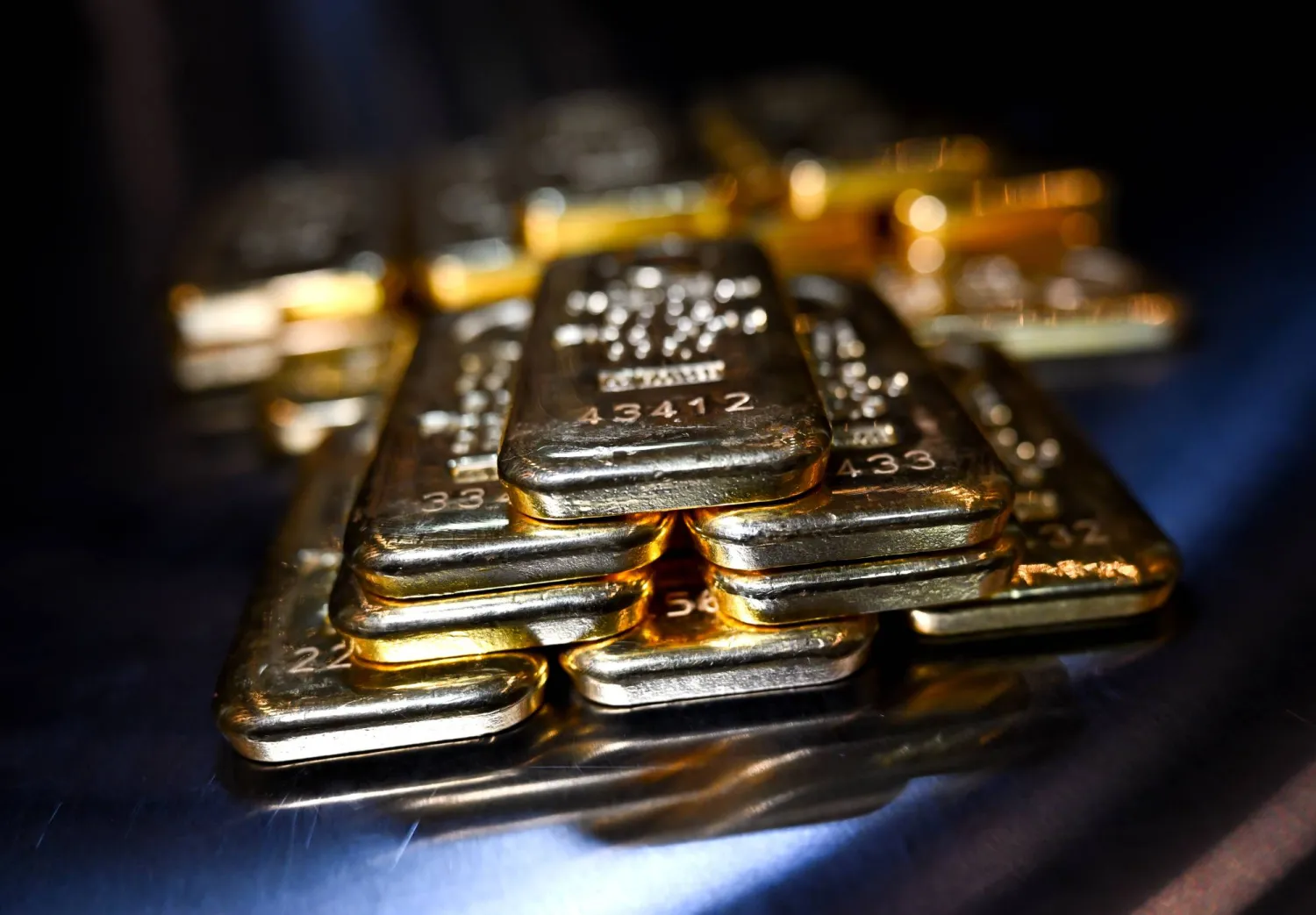
Gold prices fell by 0.2% today, recording around $4670.89 per ounce. This decline comes as investors closely monitor major central bank meetings this week, particularly the U.S. Federal Reserve, while also following developments in the Middle East conflict and the stalled U.S.-Iran negotiations.
U.S. gold futures for June delivery also dropped by the same percentage, reaching $4684.70. This downturn occurs as the market faces increasing pressures from geopolitical tensions that continue to affect precious metal prices.
Event Details
Despite the current decline, geopolitical crises remain a significant factor supporting gold as a safe haven. U.S. President Donald Trump expressed dissatisfaction with the latest Iranian proposal to end the two-month-long war, which has reduced the chances of a near settlement to the conflict that has disrupted energy supplies and heightened global inflation.
Analysts believe that any political breakthrough or temporary agreement could weaken the dollar, potentially giving gold a new opportunity to rise. At the same time, oil prices have stabilized above $109 per barrel, adding to inflationary pressures.
Background & Context
Gold prices are an important indicator of the global economy, as investors turn to gold as a safe haven during times of uncertainty. With ongoing conflicts in the Middle East, including tensions between the U.S. and Iran, markets are significantly affected.
Historically, gold prices have experienced significant fluctuations during political and economic crises, making it a preferred investment tool during turmoil. As central bank meetings approach, concerns are growing about how these decisions will impact financial markets.
Impact & Consequences
The rise in oil prices may prompt central banks to maintain high interest rates to combat inflation, which is a negative factor for gold, as higher interest rates increase the attractiveness of yield-generating assets like bonds and the dollar. This means that gold may face additional challenges in the near future.
It is widely expected that the Federal Reserve will keep interest rates unchanged at the conclusion of its meeting tomorrow, while investors are also awaiting decisions from the European Central Bank, the Bank of England, and the Bank of Canada. These meetings are crucial in determining the direction of markets in the coming period.
Regional Significance
Geopolitical tensions in the Middle East directly affect gold prices, as investors seek safe assets amid instability. This situation reflects on Arab economies that heavily rely on the stability of oil and gold prices.
As political crises continue, pressures on Arab markets may increase, necessitating greater attention from governments and investors on how to address these challenges.
In conclusion, gold remains at the forefront of investor interest, as everyone closely monitors political and economic developments that may affect its prices in the future.