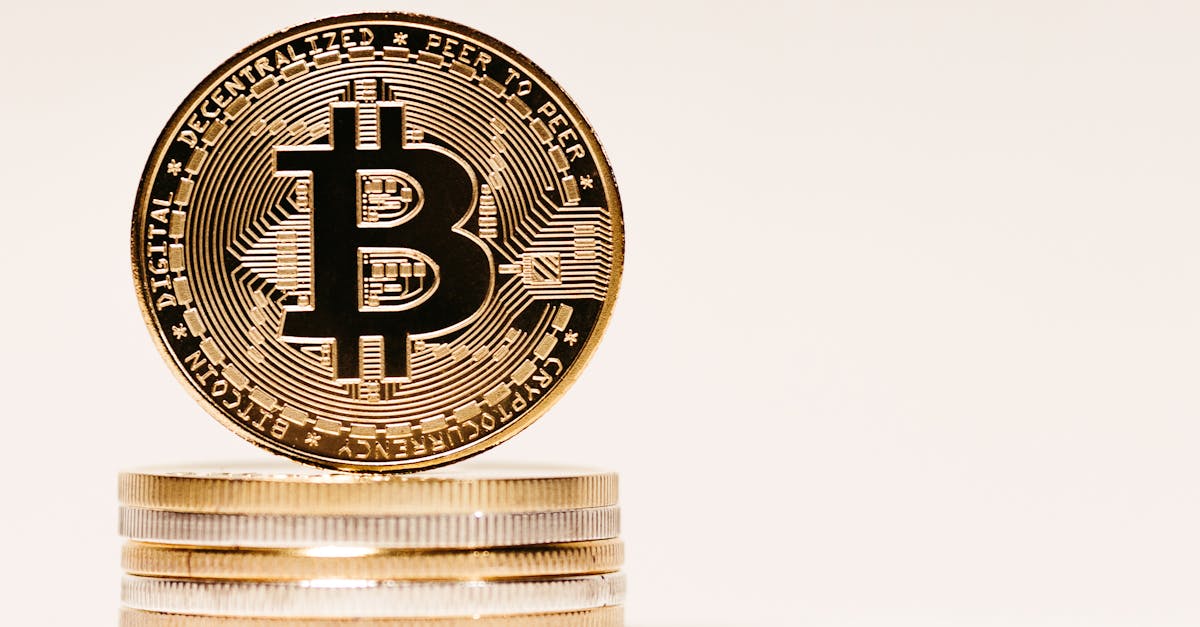
Gold prices are trending downwards as cautious sentiment prevails in financial markets, with the deadline set by U.S. President Donald Trump regarding Iran approaching. These developments are causing concern among investors who are closely watching for any changes in U.S. policies towards Tehran.
As investors await the outcomes of negotiations between the United States and Iran, gold prices remain under pressure due to geopolitical tensions. Analysts indicate that any escalation in the situation could lead to increased demand for gold as a safe haven, whereas reaching an agreement might result in a further decline in prices.
Market Reactions and Current Trends
Financial markets are significantly influenced by statements and developments related to U.S. foreign policy. Trump has announced that he will reinstate sanctions on Iran if a new agreement is not reached before the specified deadline, prompting investors to adopt cautious positions amid the uncertainty surrounding the markets.
At the same time, gold prices have decreased by 0.2%, reaching approximately $1,800 per ounce, reflecting the anxiety among investors. Recent economic data from the United States, including job reports, has also impacted price movements.
Background & Context
Historically, gold is considered a safe asset that investors turn to during times of crisis. With escalating tensions between the United States and Iran, gold has become more attractive as a safe haven. In 2018, the United States withdrew from the nuclear deal with Iran, leading to heightened tensions in the region.
Iran is one of the largest oil producers in the world, and any changes in its policies could significantly affect global energy markets. Therefore, any escalation in the situation could lead to rising oil prices, which in turn may impact gold prices.
Impact & Consequences
If tensions between the United States and Iran continue, we may witness an increase in gold prices due to heightened demand for safe assets. Additionally, any military escalation could lead to significant volatility in financial markets, making investors more cautious.
On the other hand, if a new agreement is reached, it could stabilize prices and reduce demand for gold, which may also affect other financial markets, including stock and bond markets.
Regional Significance
The developments related to Iran are particularly significant for Arab countries, as any escalation in the situation could impact stability in the region. The geopolitical landscape is sensitive, and the repercussions of U.S.-Iran relations extend beyond economic factors, influencing regional security dynamics.
In conclusion, the ongoing situation with Iran remains a critical factor for financial markets and regional stability, with gold prices serving as a barometer for investor sentiment amidst uncertainty.