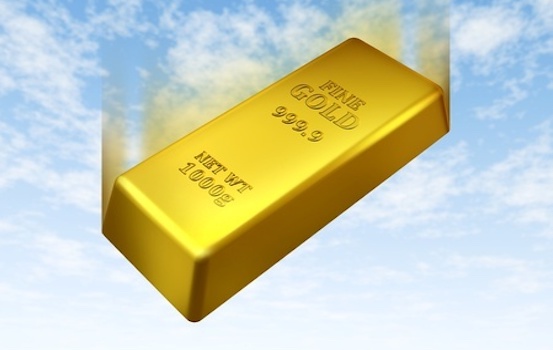
Gold prices fell today, Tuesday, to their lowest level in three weeks, declining by 1.2% in spot transactions to reach $4625.94 per ounce by 06:47 GMT. This decline comes as investors await anticipated decisions from major central banks that could influence market directions in the upcoming period.
Similarly, U.S. gold futures for June delivery dropped by a comparable percentage to $4643.70. This decrease reflects the pressures resulting from the rising dollar and surging oil prices, which have exceeded $110 per barrel, heightening concerns about inflation.
Event Details
These developments occur at a time when markets are grappling with the repercussions of geopolitical tensions in the Middle East, where the Strait of Hormuz remains nearly completely closed due to the ongoing war. A U.S. official reported that President Donald Trump is dissatisfied with Iran's latest proposal to end the conflict, increasing uncertainty about the possibility of a swift resolution.
Gold is considered a safe haven for investors during crises, but rising interest rates make yield-generating assets more attractive, reducing the demand for gold purchases. The Federal Reserve is expected to keep interest rates unchanged in its upcoming meeting.
Background & Context
Historically, gold has been one of the assets that markets turn to during times of economic instability. With rising oil prices, inflationary pressures are increasing, raising the likelihood of interest rate hikes. Recent economic data has shown that inflation remains a significant challenge for major economies.
Attention is also directed towards decisions from other central banks this week, such as the European Central Bank, Bank of England, and Bank of Canada, as investors seek indicators regarding the trajectory of interest rates amid rising inflationary pressures.
Impact & Consequences
Rising oil prices can lead to increased transportation and production costs, further amplifying inflationary pressures. If this trend continues, we may witness significant movements in financial markets, as central banks will need to make decisive decisions regarding monetary policy.
On the other hand, any progress in negotiations between the United States and Iran could lead to a decline in the dollar, potentially boosting gold prices. However, the situation in the Middle East remains a key factor influencing global markets.
Regional Significance
Gold prices are an important indicator for Arab economies, as many countries rely on oil exports. Rising oil prices may lead to increased revenues, but at the same time, they exacerbate inflationary pressures. Additionally, tensions in the Middle East directly impact economic stability in the region.
In conclusion, gold remains a vital asset in financial markets, reacting directly to geopolitical and economic events. Investors must closely monitor developments, especially in light of potential changes in monetary policy.