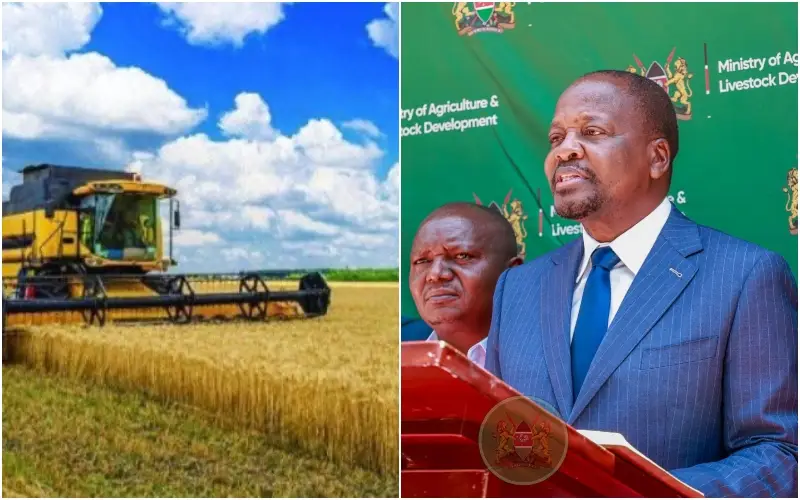
The government recently announced its intention to purchase 120,000 tons of wheat, aiming to enhance the country's strategic reserves. This step comes at a sensitive time, as many countries face economic challenges related to food security, necessitating urgent measures to ensure price stability and provide basic needs for citizens.
This initiative is part of the government's strategy to ensure the availability of essential food items, especially in light of the fluctuations in the global market. Wheat prices have seen a significant rise in recent months, impacting the cost of living in many countries.
Details of the Purchase
The government intends to complete the purchase process as soon as possible, having opened the bidding process to both local and international companies. Suppliers are expected to be selected based on quality and price criteria to ensure the best possible offers. The government has also confirmed that it will facilitate the necessary procedures to expedite the purchasing process.
This move is part of the government's ongoing efforts to enhance food security, especially following the crises that have affected global markets due to conflicts in some wheat-producing countries. The government is also seeking to reduce reliance on imports by increasing local production, although this requires time and significant efforts.
Background & Context
In recent years, there has been a rise in food prices, significantly affecting low-income families. Political and economic crises in some countries have led to fluctuations in the prices of essential goods, including wheat. In this context, the government's decision to purchase additional quantities of wheat is crucial for ensuring stability in the local market.
Historically, governments have relied on importing wheat from specific countries, but with increasing challenges, it has become necessary to seek local alternatives and boost domestic production. Studies have shown that enhancing local production can help reduce dependence on imports and stabilize prices.
Impact & Consequences
This step is expected to positively impact the local market by providing sufficient quantities of wheat for consumers. Additionally, strengthening strategic reserves will help mitigate price fluctuations that may occur due to global crises.
Furthermore, this initiative may help bolster citizens' confidence in the government's ability to manage food crises. Providing wheat at reasonable prices will help alleviate economic pressures on families, especially amid the difficult economic conditions the country is experiencing.
Regional Significance
This step serves as a model for other countries in the Arab region, where many face similar challenges related to food security. Given the economic and political crises affecting some nations, enhancing cooperation among Arab countries becomes essential to ensure the provision of basic needs.
Moreover, boosting local wheat production can contribute to achieving food security in the region, reducing reliance on imports and enhancing economic stability. Therefore, this initiative may inspire other countries in the region to take similar measures.
In conclusion, the government's decision to purchase 120,000 tons of wheat reflects its commitment to enhancing food security and ensuring stability in the local market. As economic challenges continue, hope remains in the government's ability to achieve its objectives in this area.