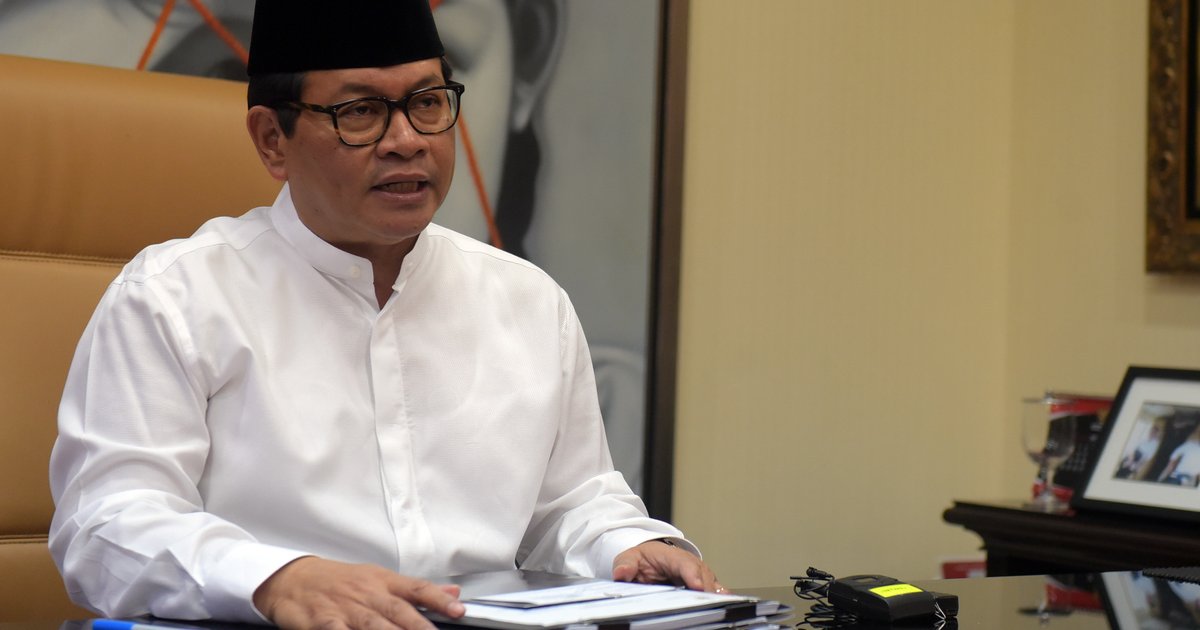
The Indonesian Cabinet Secretary, Teddy Indra Wijaya, welcomed the President of the Indonesian Young Entrepreneurs Association, Akbar Himawan Buchari, during a visit aimed at discussing current developments and opportunities available for the small and medium enterprises sector (UMKM) in Indonesia. The meeting, held at the Cabinet Secretariat office in Jakarta, was part of efforts to enhance cooperation between the government and the private sector.
During the meeting, several important issues facing UMKM were addressed, including the challenges hindering the growth of these enterprises and the opportunities available to improve their competitiveness. Teddy emphasized that this meeting coincided with the celebrations of Eid al-Fitr, reflecting the importance of continuous communication between the government and business leaders.
Event Details
The meeting covered several key topics, where the Young Entrepreneurs Association presented a range of strategic proposals aimed at enhancing government support for small and medium enterprises. Among the issues discussed was a focus on the importance of access to financing, accelerating digital transformation of businesses, and expanding market access opportunities both domestically and internationally.
Teddy also noted that the President of the Young Entrepreneurs Association reported plans to hold a national conference for the association in 2026, which will serve as an opportunity to strengthen the role of young entrepreneurs in the national economy.
Background & Context
Small and medium enterprises (UMKM) are considered a cornerstone of the Indonesian economy, significantly contributing to job creation and economic growth. According to reports, these enterprises account for approximately 99% of the total number of businesses in Indonesia, making them pivotal in achieving economic stability.
Over the years, UMKM have faced numerous challenges, including difficulties in accessing financing, a lack of technical support, and high operating costs. However, the Indonesian government is working to improve the business environment by providing incentives and facilities aimed at promoting the growth of this sector.
Impact & Consequences
Enhancing the competitiveness of UMKM will have positive impacts on the Indonesian economy as a whole. Increasing the ability of these enterprises to compete will lead to the creation of more job opportunities, increased productivity, and enhanced innovation. Furthermore, improving market access will enable these businesses to expand and grow, contributing to the achievement of sustainable development goals.
Moreover, strengthening cooperation between the government and the private sector will help create a more inclusive business environment, enhancing the capacity of UMKM to face future challenges.
Regional Significance
Indonesia's experience in supporting small and medium enterprises serves as a model for the Arab region. Many Arab countries face similar challenges in promoting the small business sector, necessitating the exchange of successful experiences and practices. Arab nations can benefit from the policies and strategies adopted by Indonesia to foster the growth of this vital sector.
In conclusion, the meeting between the Indonesian government and young entrepreneurs represents an important step toward enhancing the competitiveness of the Indonesian economy. Supporting UMKM is not only an economic necessity but also an investment in the future of the country.