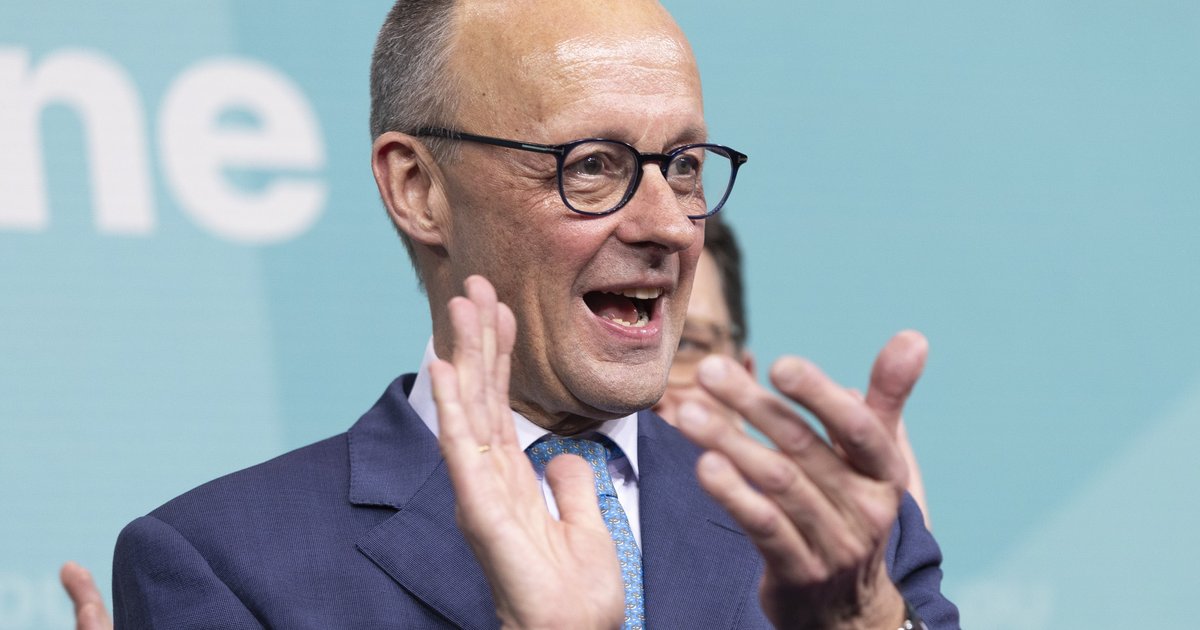
A recent survey conducted by the "Deutschland Trend" organization indicates that the government of German Chancellor Friedrich Merz is suffering from a notable decline in popularity, reaching its lowest levels since he took office. Despite the promises made by the ruling coalition to implement a series of reforms, citizens remain dissatisfied with government performance.
This decline comes at a sensitive time for the government, as it faces numerous economic and social challenges affecting the lives of citizens. The survey results show that a large percentage of Germans feel discontent with current policies, raising questions about the government's ability to achieve the desired reforms.
Details of the Event
According to the "Deutschland Trend" survey, Chancellor Merz's approval rating has dropped significantly, reflecting a sense of frustration among voters. The survey indicates that many Germans believe the government has not fulfilled its promises, particularly in areas such as the economy and healthcare.
The survey also revealed increasing concern over issues like inflation and rising living costs, which add pressure on the government. Many participants expressed expectations for improvement in economic conditions, but they feel that the current government is unable to deliver on that front.
Background & Context
Friedrich Merz assumed the position of German Chancellor at a time when the country was facing significant economic challenges, including the repercussions of the COVID-19 pandemic and the energy crisis. The ruling coalition promised comprehensive reforms aimed at boosting the economy and improving living standards.
However, government performance has not met expectations, with the country experiencing rising prices and a slowdown in economic growth. These conditions have led to increased dissatisfaction among citizens, reflecting a decline in trust in the government.
Impact & Consequences
The decline in popularity of Merz's government could have significant implications for the political landscape in Germany. This downturn may lead to increased pressure on the government to make swift policy changes or even calls for early elections.
Moreover, the drop in public support could open the door for opposition parties to strengthen their position, complicating the political situation in the country. These developments may affect the stability of the government and its ability to implement necessary reforms.
Regional Significance
The political and economic situation in Germany is of great importance to the Arab region, as Germany is one of the largest trading partners for many Arab countries. Any decline in political or economic stability in Germany could impact trade and investment relations between the two sides.
Furthermore, political crises in European countries often influence foreign policies towards Arab nations, making it crucial to closely monitor developments in Germany.
In conclusion, Chancellor Friedrich Merz faces significant challenges amid declining popularity, necessitating urgent steps to regain citizens' trust and achieve the required reforms.