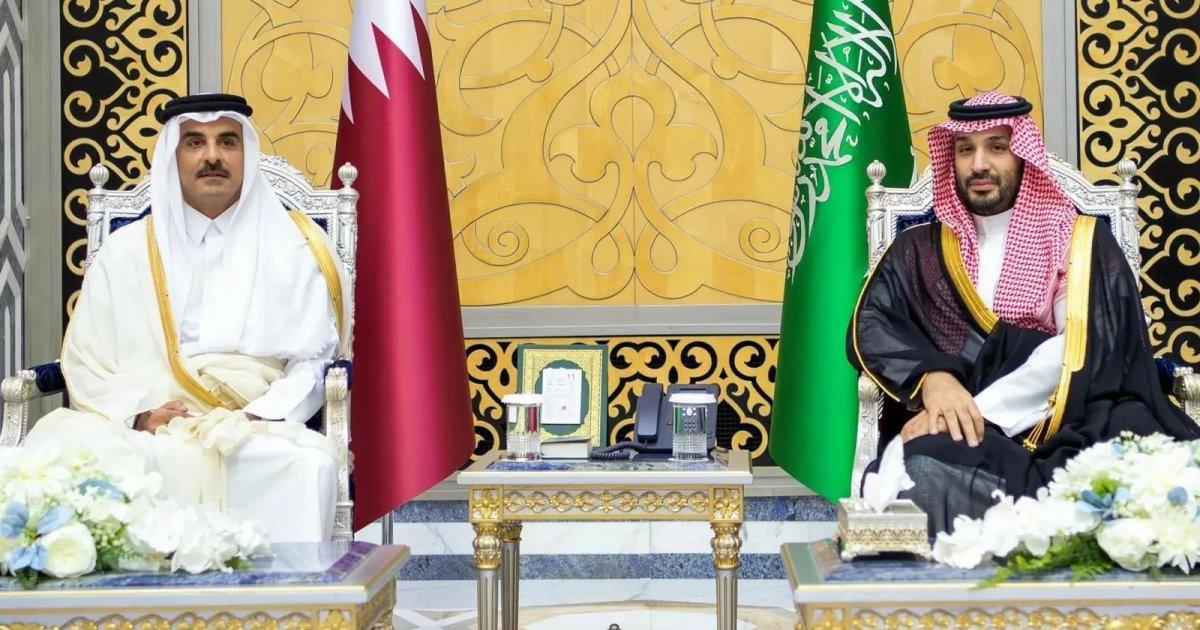
Leaders and heads of delegations from the Gulf Cooperation Council (GCC) arrived in the city of Jeddah today to participate in the Gulf consultative summit, which is held to enhance cooperation and coordination among member states. They were received at King Abdulaziz International Airport by Crown Prince and Prime Minister Mohammed bin Salman bin Abdulaziz, who welcomed them and their accompanying delegations to the Kingdom.
In this context, the Crown Prince of Kuwait, Sheikh Sabah Khaled Al-Hamad Al-Sabah, arrived, where he was greeted by Crown Prince Mohammed bin Salman, along with the Deputy Emir of the Makkah Region, Prince Saud bin Mishal bin Abdulaziz, the Secretary-General of the Gulf Cooperation Council, Jassem Mohammed Al-Budaiwi, and the ambassadors of the concerned countries.
Event Details
Also arriving was the King of Bahrain, King Hamad bin Isa Al Khalifa, who received a similar welcome from the Crown Prince, emphasizing the importance of this summit in strengthening bilateral relations. The reception was also attended by the ambassadors of Bahrain and Saudi Arabia and the Secretary of Jeddah Province.
Additionally, the Emir of Qatar, Sheikh Tamim bin Hamad Al Thani, was among the leaders who arrived in Jeddah, where he was welcomed by the Crown Prince with the same warmth. These visits reflect the spirit of cooperation and solidarity among Gulf countries, especially in light of current regional and international challenges.
Background & Context
This Gulf consultative summit comes at a sensitive time, as the region faces numerous political and economic challenges. Historically, Gulf summits have served as a platform for exchanging views and enhancing coordination among member states, contributing to stability and development in the region.
The GCC countries aim, through this summit, to enhance cooperation in various fields, including security and economy, within a shared vision to address future challenges.
Impact & Consequences
The outcomes of this summit are expected to contribute to strengthening security and economic cooperation among Gulf states, potentially leading to greater stability in the region. Moreover, enhancing relations among these countries can contribute to achieving sustainable development and bolster their capacity to face crises.
This summit also represents an opportunity to exchange ideas and visions on how to address regional and international issues, reflecting the importance of coordination among Gulf states amid the rapidly changing global political landscape.
Regional Significance
The Gulf summit underscores the importance of unity and solidarity among Arab countries, as the GCC serves as a model for regional cooperation. Strengthening relations among these countries can have a positive impact on stability across the Arab region as a whole.
In conclusion, this summit represents an opportunity to enhance dialogue and understanding among Gulf states, contributing to achieving security and stability in the region, and reflecting the commitment of these countries to joint cooperation in facing future challenges.