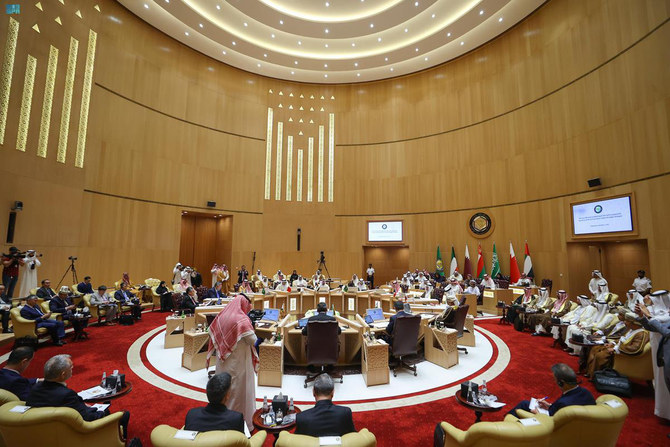
Gulf Cooperation Council leaders convened in Jeddah on Monday to discuss the ramifications of the Iranian war and its effects on regional security. The meeting occurs amid increasing tensions in the region, as leaders seek to enhance security cooperation and coordinate positions to address shared challenges.
The meeting was attended by leaders from the six member states of the council, where several vital issues affecting the stability of the region were addressed. The importance of Gulf unity in facing external threats was emphasized, particularly in light of the tense situation with Iran.
Details of the Event
The discussions among the Gulf leaders included issues related to military security and intelligence cooperation, focusing on ways to enhance the defensive capabilities of member states. The situations in Iraq, Syria, and Yemen were reviewed, along with their impact on regional security.
Furthermore, the importance of dialogue and communication with the international community was underscored, especially with major powers, to ensure regional stability. The leaders expressed their concerns regarding Iranian activities in the region, including its support for armed militias.
Background & Context
Historically, the Gulf region has experienced ongoing tensions due to regional conflicts and foreign interventions. The Iranian war, which began several years ago, has significantly impacted the security and stability of Gulf countries. This war has exacerbated humanitarian and political crises in neighboring states.
Relations between Gulf states and Iran have been characterized by tension, with Gulf countries accusing Iran of supporting armed groups in Iraq, Syria, and Lebanon. This situation has prompted Gulf nations to strengthen their military and security alliances.
Impact & Consequences
The meeting in Jeddah reflects Gulf leaders' recognition of the importance of cooperation in addressing security challenges. These meetings are expected to enhance coordination among member states, potentially contributing to improved security conditions in the region.
Moreover, strengthening cooperation among Gulf countries could have a positive impact on the regional economy, leading to greater stability and attracting foreign investments.
Regional Significance
Arab countries are significantly affected by developments in the Gulf region. Any escalation in tensions could have negative repercussions on security and stability in other Arab nations. Therefore, enhancing Gulf cooperation is a crucial step toward ensuring regional stability.
In conclusion, the meeting in Jeddah represents an important opportunity for Gulf leaders to strengthen security cooperation and address common challenges. Gulf unity may be the key to ensuring security and stability in the region.