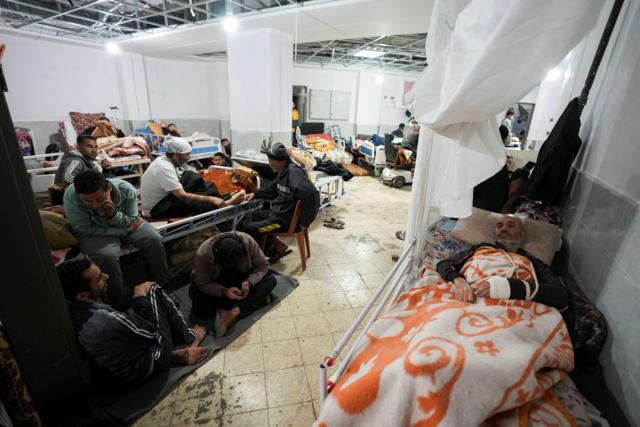
Qatar announced that the Gulf Cooperation Council (GCC) has adopted a unified stance calling for de-escalation in the ongoing conflict in the Middle East, emphasizing the importance of ending the war ravaging the region. This statement was made by Qatari officials as part of ongoing diplomatic efforts aimed at achieving peace and stability.
This call comes at a time when the region is witnessing increasing military escalation, exacerbating the suffering of civilians and complicating peace efforts. Qatar has stressed the necessity of dialogue and understanding among the concerned parties, highlighting the importance of collective action to achieve security and stability in the region.
Details of the Event
During a press conference, Qatari officials stated that the position of the Gulf states reflects their steadfast commitment to ending armed conflicts in the Middle East. The necessity of halting hostilities was emphasized, as their continuation threatens regional security and exacerbates humanitarian crises.
It was also noted that Gulf countries are working to enhance cooperation in the fields of security and defense to address common challenges. Qatar affirmed that it will continue to support efforts aimed at achieving peace in the region through multiple diplomatic initiatives.
Background & Context
Historically, the Middle East has witnessed numerous armed conflicts that have worsened humanitarian conditions. Since the beginning of the new millennium, the intensity of conflicts in several countries has escalated, leading to the displacement of millions and the destruction of infrastructure.
The Gulf states, including Qatar, are considered key players in the pursuit of stability in the region. Gulf diplomacy has played an important role in many crises, seeking to provide peaceful solutions and facilitate dialogue among conflicting parties.
Impact & Consequences
The call for de-escalation and the end of conflict in the Middle East carries numerous positive implications. The success of these efforts could contribute to improving humanitarian conditions and alleviating the suffering of civilians affected by the conflicts.
Moreover, achieving peace in the region could enhance economic stability and encourage investment in the conflict-affected countries. Additionally, cooperation among Gulf states could lead to strengthened regional security and address common challenges.
Regional Significance
The call from Qatar and other Gulf states for de-escalation is a significant step toward achieving peace in the Middle East. The success of these initiatives could open new horizons for Arab cooperation and strengthen ties among Arab countries.
Furthermore, this call reflects the commitment of Gulf states to work together to achieve security and stability, which is essential for addressing the challenges facing the region, including terrorism and extremism.
In conclusion, the efforts of Qatar and other Gulf states to achieve peace in the Middle East remain under the scrutiny of the international community, as achieving stability in this vital region is crucial for regional and international security.