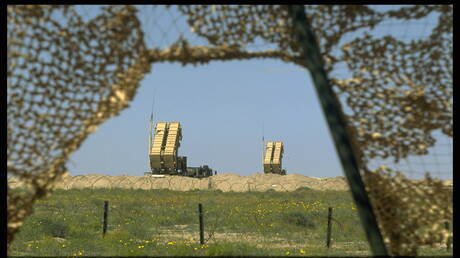
Bloomberg's estimates indicate that Gulf states are facing an unprecedented defense crisis, as their stockpile of interceptor missiles is nearing depletion. This situation arises amidst a continuous drain on defense resources since the beginning of military tensions with Iran, raising serious concerns about these countries' ability to counter any future threats.
Reports suggest that Gulf states, which heavily rely on air defense systems to protect their territories, are facing increasing challenges in securing their stockpile of interceptor missiles. This depletion comes at a sensitive time, as regional tensions escalate and security risks rise.
Details of the Situation
Estimates show that the current stock of interceptor missiles in Gulf states has significantly decreased, placing these nations in a precarious position. Large quantities of these missiles have been used during recent conflicts, leading to a faster-than-expected erosion of the stockpile. Under these circumstances, Gulf states may find themselves compelled to reassess their defense strategies and develop new plans to enhance their military capabilities.
This defense crisis is a direct result of escalating tensions with Iran, which has seen a notable increase in military activities. These activities have led to a greater reliance on air defense systems, contributing to the quicker depletion of the stockpile.
Background & Context
Historically, Gulf states have relied on military support from major powers, such as the United States, to secure their borders. However, recent events indicate that these nations need to bolster their self-defense capabilities. Since the outbreak of the conflict with Iran, the region has experienced a rise in tensions, making the need for air defense systems more urgent.
In recent years, Gulf states have invested heavily in modernizing and developing their defense systems, but it appears that these investments have not been sufficient to meet current challenges. As threats increase, these countries must consider new strategies to ensure their security.
Impact & Consequences
The air defense crisis in the Gulf could have serious repercussions for regional security. If the depletion of the stockpile continues, Gulf states may find themselves in a vulnerable position against any potential threats. This situation could lead to increased tensions in the region and may prompt countries to take more aggressive military actions.
Moreover, the lack of interceptor missiles could affect relations between Gulf states and major powers, which may become concerned about these nations' ability to protect themselves. This could lead to changes in regional and international alliances, altering the power dynamics in the area.
Regional Significance
The air defense crisis in the Gulf is a matter of concern for all Arab countries, as any escalation in tensions could impact stability across the entire region. This crisis may lead to increased migration and displacement, in addition to its effects on the regional economy.
Furthermore, deteriorating security conditions could affect foreign investments in the region, exacerbating the economic challenges faced by Gulf states. Under these circumstances, Arab countries must work together to enhance regional security and cooperate in defense matters.
In conclusion, the air defense crisis in the Gulf represents a significant challenge that requires a swift and effective response from the countries in the region. There must be joint efforts to strengthen defense capabilities and ensure regional security.