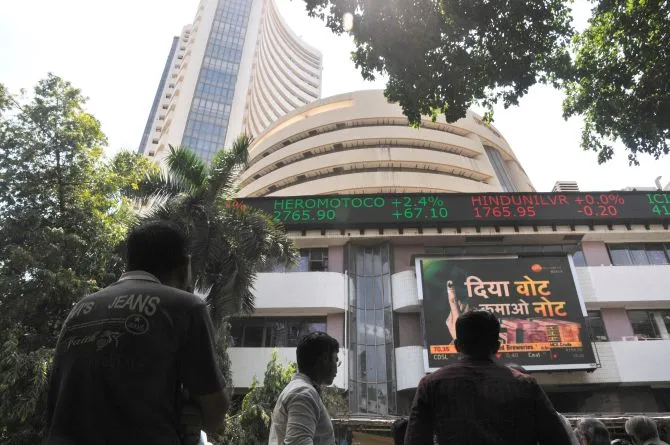
Most Gulf stock markets have declined amid escalating regional conflicts, with major markets experiencing significant drops in their market values. This downturn comes at a critical time, as tensions in the region are rising, negatively affecting investor confidence.
In Saudi Arabia, the main market index fell by 1.5%, while the Dubai Stock Exchange saw a decline of 1.2%. The Abu Dhabi Exchange was also affected, dropping by 1.1%, reflecting the prevailing anxiety among investors regarding the current situation.
Details of the Event
Reports indicate that the recent escalation in military conflicts in the region has significantly impacted financial markets. Recent events have heightened fears of instability, prompting investors to adopt more cautious positions.
Although some major companies have reported positive financial results, the impact of geopolitical events has overshadowed these positive economic factors. This disparity in performance reflects the challenges facing Gulf markets at present.
Background & Context
Historically, Gulf stock markets have experienced significant fluctuations due to political and economic events in the region. Tensions between countries, whether arising from military conflicts or political disputes, often lead to a decline in market confidence.
In recent years, there have been attempts to enhance economic stability in the Gulf, but recent escalations may reverse these efforts. Understanding the historical context helps explain how current events are affecting the markets.
Impact & Consequences
The effects of regional conflicts on Gulf markets are expected to continue in the coming period. As fears of further escalation grow, investors may reduce their investments in the region, leading to further declines in the markets.
Moreover, the persistence of these tensions may impact foreign investments, as investors may hesitate to inject funds into markets perceived as unstable. This could negatively affect economic growth in Gulf countries.
Regional Significance
The financial markets in the Gulf are directly influenced by political events in the region. Tensions in the Middle East affect all Arab countries, as fears of conflicts spreading to other nations increase.
Therefore, investors in other Arab countries should be aware of these conditions, as any escalation in conflicts may impact their investments and financial markets.
In conclusion, the situation in Gulf markets remains volatile under the current circumstances. It is crucial for investors to closely monitor developments and make informed decisions based on the changing conditions.