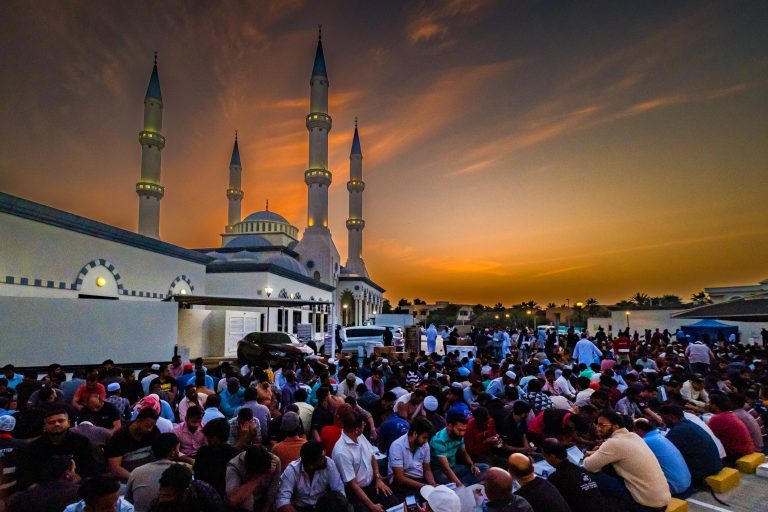
Gulf tourism experienced an unprecedented decline during the Eid al-Fitr 2026 season, resulting in losses of approximately 9 billion riyals. This downturn reflects significant challenges facing the tourism sector in the region, raising questions about the future of Gulf tourism under current circumstances.
These figures come at a time when Gulf countries were hoping to achieve economic recovery through an increase in the number of incoming tourists, especially with the easing of restrictions related to the COVID-19 pandemic. However, recent data indicates that foreign tourism did not meet the expected targets, putting the sector to a tough test.
Details of the Event
According to reports, Gulf countries, particularly the Kingdom of Saudi Arabia and the United Arab Emirates, witnessed a noticeable decline in the number of tourists arriving from other countries during the Eid al-Fitr period. The percentage of hotel bookings and flight tickets dropped significantly compared to previous years, leading to substantial financial losses.
Statistics indicate that domestic tourism was not sufficient to compensate for this decline, as many citizens and residents preferred to spend their holidays at home rather than traveling. This trend reflects ongoing fears of virus and disease outbreaks, in addition to rising travel costs.
Background & Context
Historically, tourism has been one of the main pillars of the Gulf economy, with many countries relying on this sector to attract foreign investments and boost economic growth. However, the COVID-19 pandemic has significantly impacted this sector, leading to radical changes in travel and tourism patterns.
Before the pandemic, Gulf countries were preparing to host several major events, such as international exhibitions and cultural festivals, aimed at attracting tourists from around the world. But with the outbreak of the virus, many of these events were canceled, negatively affecting tourism.
Impact & Consequences
The decline in Gulf tourism has far-reaching implications, affecting the local economy and leading to job losses in the sector. Additionally, this decrease may hinder the sustainable development plans that Gulf countries aspire to achieve.
Moreover, the drop in tourism could impact the region's reputation as a global tourist destination. With increasing competition from other tourist destinations, Gulf countries may find themselves in a difficult position if they cannot regain tourists' confidence.
Regional Significance
The decline in Gulf tourism serves as a wake-up call for other Arab countries, as it could lead to a reduction in tourism investments in the region. If these challenges are not addressed, tourism in other Arab countries may also be affected, negatively impacting their economies.
Under these circumstances, Gulf countries must reassess their tourism strategies and develop new plans to attract tourists, including improving infrastructure and enhancing health security.
In conclusion, the challenges facing Gulf tourism require concerted efforts between governments and the private sector to overcome this crisis and restore the region's status as a leading tourist destination.