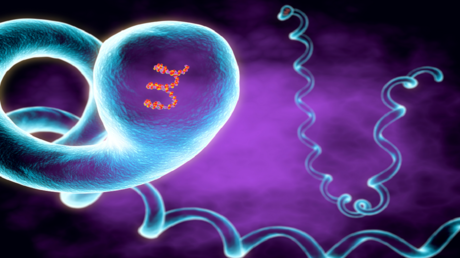
Health officials in the state of Hawaii have warned of the risk of a dangerous bacteria known as Leptospirosis spreading in floodwaters that have recently swept through the state. Officials confirmed that this bacteria can cause serious illness, necessitating urgent preventive measures to protect residents and relief workers.
These warnings come after Hawaii experienced unprecedented flooding due to heavy rainfall, leading to water accumulation in many areas. Health officials pointed out that stagnant water can serve as an ideal environment for the growth of this bacteria, increasing the risk of infection among the population.
Details of the Event
Leptospirosis is a bacterial infection typically transmitted through contaminated water, and it can lead to symptoms ranging from fever and muscle aches to severe complications such as kidney failure. The Hawaii Department of Health has issued advisory notices to residents, urging them to avoid swimming or bathing in contaminated waters and to take necessary precautions when handling standing water.
Relief workers have also been advised to wear personal protective equipment while working in affected areas to reduce their risk of exposure. Medical teams have been deployed to the most impacted regions to monitor cases of infection and provide necessary care.
Background & Context
Historically, Hawaii has seen several cases of Leptospirosis, but the recent flooding may lead to a noticeable increase in infection rates. This disease is common in tropical regions, where environmental conditions are conducive to the growth of the bacteria. With climate change and the intensification of weather phenomena, the health risks associated with flooding are increasing.
It is worth noting that flooding is not a new phenomenon in Hawaii, but it has worsened in recent years due to climate changes. Studies have shown that climate change increases the severity of flooding, raising the risk of infectious disease outbreaks.
Impact & Consequences
The implications of a Leptospirosis outbreak extend beyond individual health risks, as it can impact the entire healthcare system in Hawaii. In the event of an outbreak, hospitals may face additional pressures, affecting their ability to provide care for other patients.
Furthermore, fears of contracting the disease may lead to a decline in economic activity in affected areas, as residents may avoid leaving their homes or visiting public places. Additionally, tourism, which is a major source of revenue in Hawaii, could be negatively impacted due to these concerns.
Regional Significance
While this event may seem to pertain only to Hawaii, its impact extends to the Arab region by highlighting the importance of preparedness for pandemics and infectious diseases. Health risks are increasing globally due to climate changes, necessitating preventive measures at a worldwide level.
The experiences faced by Hawaii can serve as lessons for Arab countries, especially those facing similar environmental and health challenges. Effective strategies for disease monitoring and rapid response to health emergencies are essential.
In conclusion, prevention and awareness remain the best ways to tackle health challenges arising from natural disasters. Communities must be prepared to adapt to changing conditions and take proactive steps to protect public health.