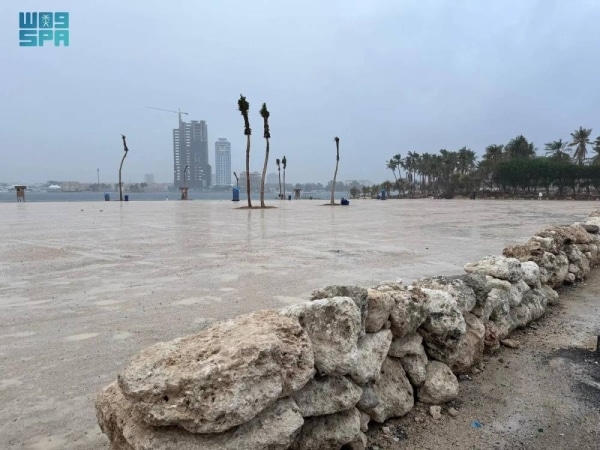
Mecca experienced moderate to heavy rainfall accompanied by hail in recent hours, affecting daily activities in the holy city. This unexpected weather phenomenon raised concerns among residents and visitors alike, as it disrupted some commercial activities and transportation.
Mecca is known for its weather fluctuations during the winter season, but the intensity of this recent rainfall was unforeseen, prompting worries among the local population. Initial reports indicated that the rain caused water accumulation in several streets, necessitating the intervention of emergency teams to manage the situation.
Details of the Event
The rainfall was heavy across various neighborhoods in Mecca, with some areas recording significant water levels. Hail was also reported in several locations, adding to the severity of the weather phenomenon. Images and videos circulated on social media depicted cars submerged in water, reflecting the volume of rain that fell.
This rainfall comes at a time when Mecca's residents benefit from such natural phenomena, as rain is considered a blessing amid rising summer temperatures. However, the large quantity of rain could lead to infrastructure issues, especially in areas with poor drainage systems.
Background & Context
Historically, Mecca has experienced various weather fluctuations, influenced by its semi-arid climate. However, global climate changes have led to increased rainfall intensity in some regions, raising questions about the impact on the local environment. As a religious destination, Mecca attracts millions of visitors annually, making any change in weather conditions directly affect tourism activities.
Local authorities are striving to improve infrastructure to cope with such phenomena, having implemented projects to develop drainage systems. Nonetheless, challenges persist, especially in light of increasing climate changes.
Impact & Consequences
The heavy rainfall witnessed in Mecca could lead to several consequences, including impacts on traffic and transportation. Water accumulation poses a risk to the safety of citizens and visitors. These conditions may require a swift response from relevant authorities to ensure everyone's safety.
Moreover, this phenomenon could affect economic activities, particularly in sectors reliant on commercial movement. With the increasing number of visitors during the Hajj and Umrah seasons, any delays or disruptions could impact the visitor experience.
Regional Significance
The heavy rains in Mecca are part of a broader climatic pattern affecting the Arabian Gulf region. Many neighboring countries are experiencing similar weather fluctuations, necessitating regional cooperation to address climate challenges. These phenomena may also impact agriculture and water resources in the area, requiring sustainable strategies to adapt to climate changes.
In conclusion, Mecca remains an important religious and cultural center. However, climate changes present challenges that require effective responses from all stakeholders. Heavy rainfall is not just a natural phenomenon; it serves as a call to consider how to address future environmental challenges.