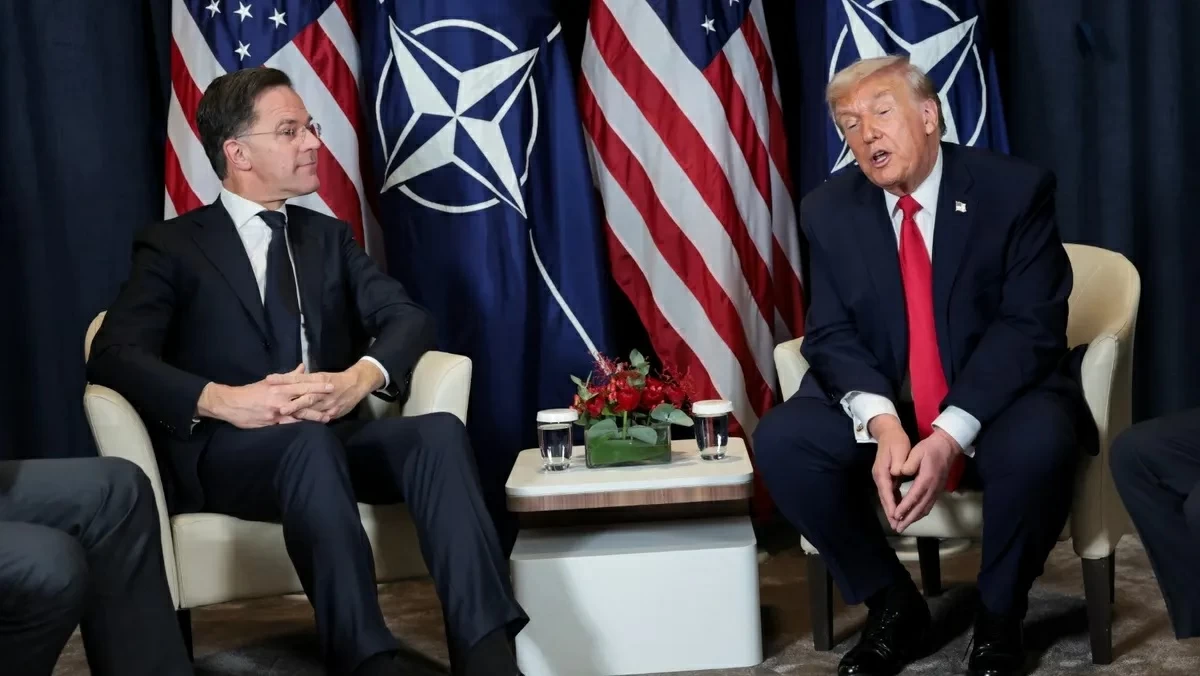
European nations are increasingly worried about the possibility of a "deal" between the United States and Russia that could lead to Washington abandoning its allies in the North Atlantic Treaty Organization (NATO) amid escalating tensions resulting from the Iran war. These concerns come as the United States seeks to shift its resources from Ukraine to the Middle East, raising alarm among European leaders regarding the future of European security.
The British newspaper "The Times" reported warnings from senior European officials, along with a new report from British parliament members, emphasizing the necessity for Europe to be capable of defending itself in "worst-case scenarios." Sources expressed concern that former President Donald Trump might not provide the necessary support to NATO member states if they were attacked by Russia.
Details of the Situation
One European official stated, "The withdrawal of Americans from European security affairs is no longer the worst-case scenario; the worst is their withdrawal from European security and turning against us." These statements reflect the growing anxiety over Trump's hints at the possibility of striking a deal with the Russians at Europe's expense, which seemed impossible a few years ago.
During a government meeting on Thursday, Trump suggested that "America will no longer be there for its allies," referring to NATO's reluctance to assist in the war against Iran. He expressed frustration with the alliance, explaining that NATO "did not come to help the United States" in this conflict.
Background & Context
Historically, relations between the United States and its NATO allies have been based on the principle of collective defense, but current tensions may lead to a reassessment of these relationships. Trump, who had previously criticized NATO, reaffirmed his stance that the alliance is a "paper tiger," increasing European concerns about NATO's ability to confront security challenges.
In this context, Trump requested assistance from French President Emmanuel Macron, but Paris responded that it would provide support "after the war ends," which frustrated him. He also asked British Prime Minister Keir Starmer to send aircraft carriers, but the response was that assistance would be available "after the war ends."
Impact & Consequences
If a potential deal between the United States and Russia materializes, it could radically alter the balance of power in Europe. European countries may find themselves compelled to enhance their defense capabilities, potentially leading to increased military spending and the development of new strategies to address threats.
Moreover, NATO's slow response to Trump's calls for "reopening the Strait of Hormuz" may reflect the alliance's weakness in facing security challenges, heightening concerns about its future. Warnings that "NATO without the United States is a paper tiger" underscore the growing anxiety about the alliance's ability to protect its members in the event of military escalation.
Regional Significance
The Arab region is directly affected by the escalation in the Iran war, as any shift in the balance of power could have repercussions for regional security. Arab nations, which rely on American protection, may find themselves in a difficult position if Washington abandons its NATO allies.
Under these circumstances, Arab countries must consider new strategies to bolster their security, including enhancing regional military cooperation and developing independent defense capabilities.
In conclusion, European fears regarding a potential deal between the United States and Russia remain prevalent, necessitating strengthened cooperation between European and Arab nations to address the growing security challenges.