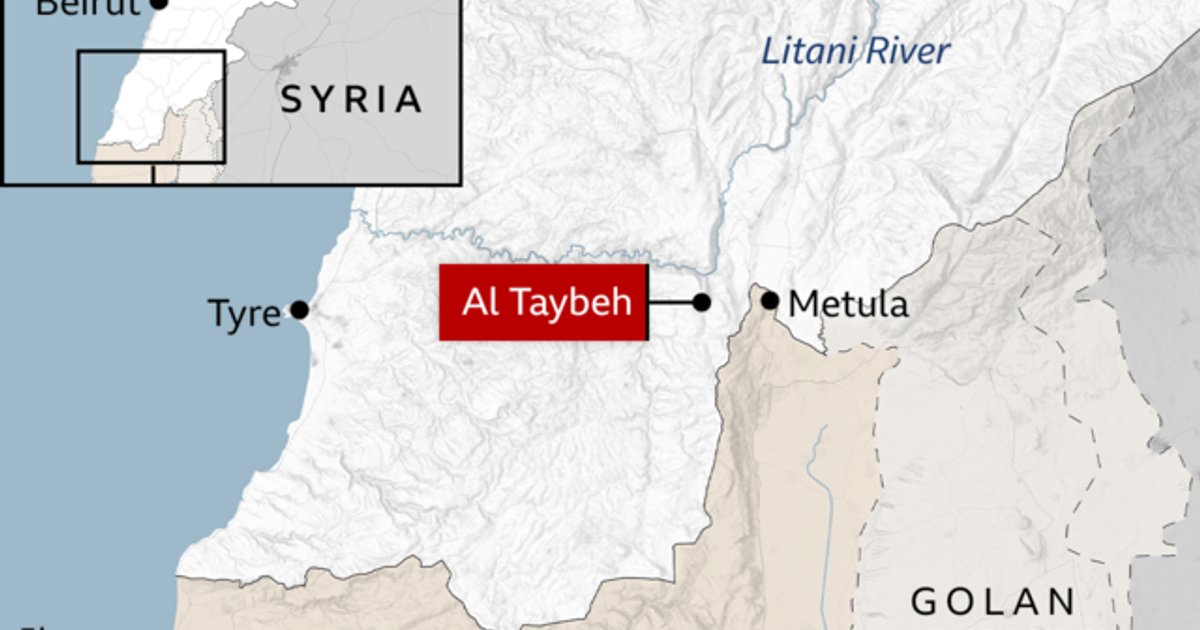
Israeli ambitions in Lebanese territory are escalating, with reports indicating that these ambitions extend beyond the Litani River. This situation raises increasing concerns within political and security circles, especially given the ongoing tensions between Lebanon and Israel.
In recent years, the region has witnessed a surge in Israeli military activities, reflecting Tel Aviv's desire to expand its influence in Lebanese territories. Reports have shown that there are Israeli plans to exploit water resources in border areas, threatening Lebanese water security and exacerbating tensions between the two sides.
Details of the Situation
Reports indicate that Israel is seeking to control new areas extending beyond the Litani River, which is considered a vital artery for Lebanon. These plans come at a sensitive time, as Lebanon is grappling with severe economic and political crises, complicating the situation further.
Statements from Israeli officials also suggest their intentions to enhance their military presence in these regions, raising fears of a new conflict that could plunge the area into further chaos.
Background & Context
Historically, the Lebanese-Israeli border has been a theater of conflicts and disputes. Since the year 2000, when Israel withdrew from southern Lebanon, tensions between the two sides have not ceased. The past years have seen several rounds of fighting, the most recent being in 2006, which resulted in widespread destruction in Lebanon.
These ambitions coincide with the deterioration of economic conditions in Lebanon, rendering the Lebanese government unable to confront these threats. Under these circumstances, there is an increasing need for international support to protect Lebanese sovereignty.
Impact & Consequences
If Israel continues to implement its plans, this could lead to a new military escalation in the region. This, in turn, would affect regional stability, as neighboring countries would be directly impacted, potentially leading to new humanitarian crises.
Moreover, these developments could increase tensions among major powers, as some countries may intervene to protect their interests in the region, further complicating the existing situation.
Regional Significance
These Israeli ambitions pose a threat not only to Lebanon but to the entire Arab region. Water and border security are sensitive issues that affect relations between Arab states. If these threats are not addressed, other countries may face similar risks.
In conclusion, these developments highlight the importance of Arab unity in facing common challenges and the necessity of enhancing cooperation among Arab states to protect their interests and security.