Gulf countries are witnessing significant military escalation as air defenses respond to ballistic missile and drone attacks. This situation unfolds as international coalition advisors withdraw from Iraq under the pressure of rising tensions.
Major General Turki Al-Maliki, the official spokesman for the Saudi Ministry of Defense, announced that Saudi air forces successfully intercepted and destroyed several drones in the eastern region of the country.
Event Details
Similarly, the UAE Ministry of Defense confirmed that its air defenses intercepted seven ballistic missiles and 16 drones coming from Iran this morning. The ministry's statement noted that the sounds heard by citizens in various areas were a result of air defense operations, with aircraft successfully downed and missiles repelled.
In Kuwait, the General Staff of the Army announced that air defenses are effectively responding to the attacks and urged citizens and residents to adhere to security and safety instructions. In Bahrain, the defense force revealed a heavy toll, with troops managing to intercept and destroy 147 missiles and 282 drones since the onset of Iranian attacks.
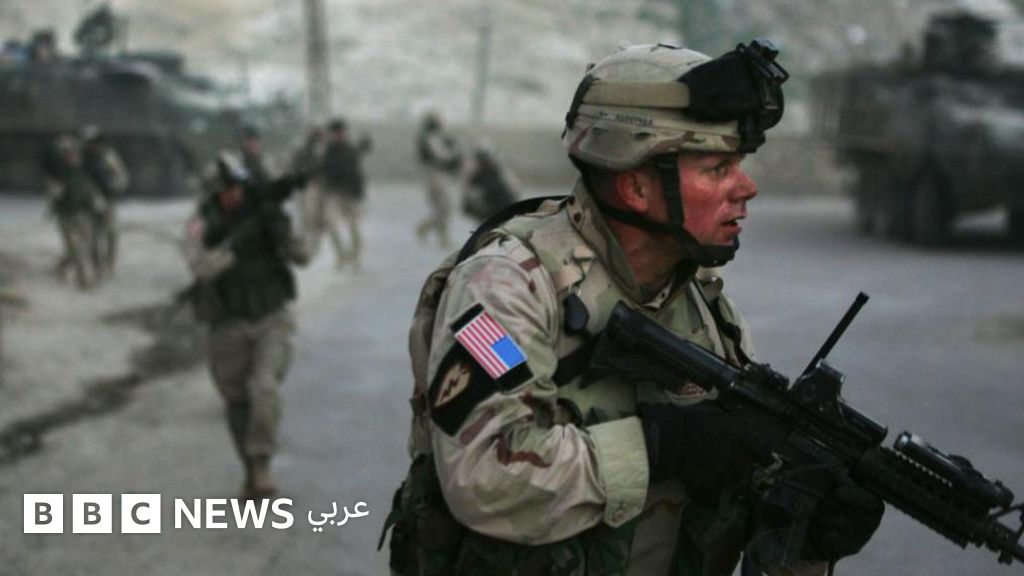
In the Iraqi context, sources from joint operations reported that coalition advisors have withdrawn from the operations command and support base towards Jordan, a move that comes amid heightened security tensions. The 15th Brigade of the Popular Mobilization Forces in Salah al-Din province was targeted.
Context and Background
These developments occur amid a continuous escalation of hostilities in the region between Iran and its adversaries. Recent weeks have witnessed several reciprocated attacks. These events are part of a broader conflict involving Israeli and American strikes on Iran, leading to increased regional tensions.
The Iraqi Hezbollah Brigades announced they would extend the suspension of targeting the U.S. embassy in Baghdad for an additional five days following previous threats. This decision aligns with several conditions related to the regional conflict, reflecting the rising political and military tensions in the area.
Impact and Consequences
These attacks represent a serious escalation that could exacerbate the security situation in the Gulf. The ongoing targeting of Gulf countries indicates the potential for a wider conflict, especially with the withdrawal of advisors representing a sign of diminishing U.S. influence in the region.
Additionally, the withdrawal of advisors may have negative repercussions for Iraqi forces, as the resulting security vacuum could lead to an increase in Iranian-backed militant activities, heightening concerns about stability in Iraq and the surrounding region.
Significance to the Arab Region
The escalation of hostilities in the Gulf directly impacts the stability of the entire Arab region. These events increase tensions among Gulf Cooperation Council member states and undermine efforts to stabilize Iraq and return to normal life.
Ultimately, these events serve as an indicator of the extent to which matters have deteriorated in the region, amid rising violence and conflict affecting the security and economy of Arab nations.