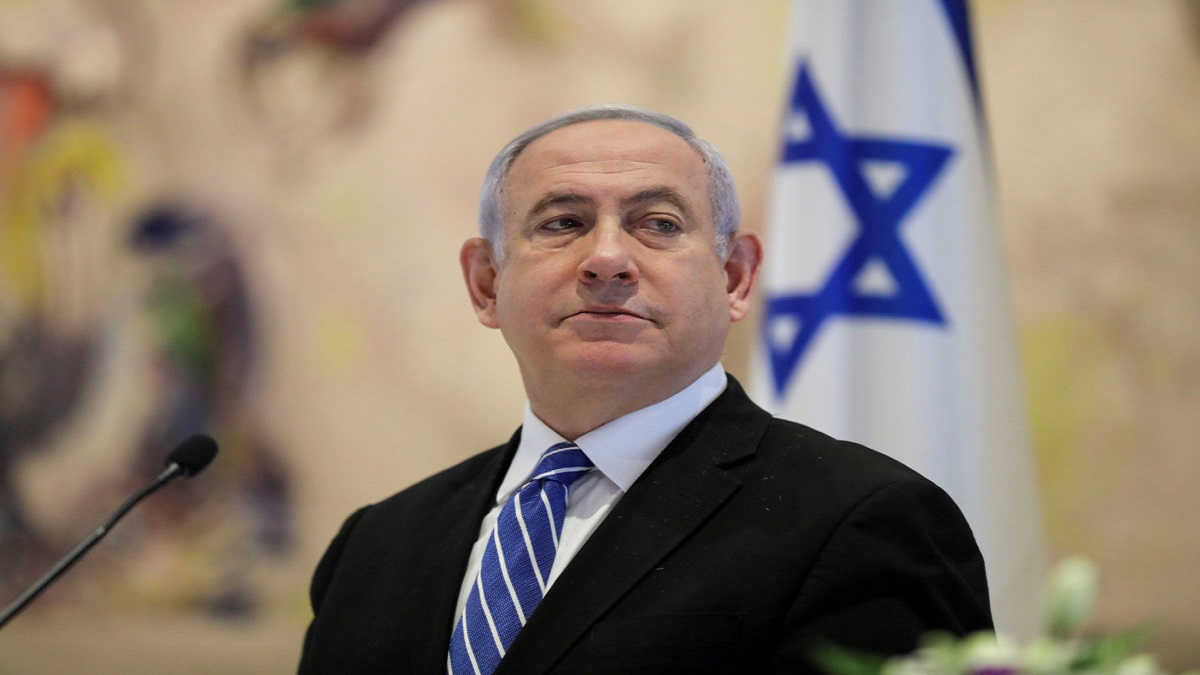
Israeli President Isaac Herzog has confirmed that he does not intend to grant a presidential pardon to Prime Minister Benjamin Netanyahu in the near future. According to the New York Times, citing senior Israeli officials, Herzog prefers to work towards a plea deal between the concerned parties instead.
These statements come at a sensitive time for the Israeli government, as Netanyahu faces corruption charges. This situation has sparked widespread debate in the Israeli political arena, with some calling for strict legal actions against the Prime Minister, while others advocate for leniency and forgiveness.
Details of the Situation
As pressures mount on Netanyahu, it appears that Herzog is striving to avoid escalating the political crisis. Rather than granting a pardon, the Israeli President seeks to find a solution that satisfies all parties, which could help ease the tense political climate.
This stance from Herzog is seen as a strategic move, as he aims to maintain the stability of the Israeli government under the current circumstances. This approach indicates Herzog's desire to mediate between various factions, including the opposition, to reach a settlement that could spare the country further division.
Background & Context
Historically, Israel has witnessed numerous political crises that have led to government resignations and ministerial changes. However, Netanyahu's case is regarded as one of the most complex, intertwining legal, political, and social dimensions.
It is noteworthy that Netanyahu faces allegations of bribery and fraud, which have led to his trial in recent years. This case has significantly impacted his popularity, with opinions divided between supporters and opponents, further complicating the political landscape.
Impact & Consequences
If Herzog succeeds in reaching a plea deal, it could alleviate pressures on Netanyahu, potentially contributing to the stability of the government. However, this may provoke mixed reactions from the opposition and the Israeli public at large.
This case serves as a true test for Israeli leadership, as both Herzog and Netanyahu must navigate legal and political challenges in a balanced manner. Should they fail to do so, the situation may worsen, leading to a new political crisis.
Regional Significance
Political events in Israel are closely monitored by Arab nations, as the stability of the Israeli government is a crucial factor in regional relations. Any changes in leadership or Israeli policy could impact the peace process in the region.
Moreover, the political situation in Israel can affect issues such as the Palestinian conflict, where Palestinians look to an Israeli government capable of making decisions that lead to the resumption of the peace process.
In conclusion, Herzog's stance will be pivotal in determining Netanyahu's political future, as well as influencing the overall Israeli political landscape.